Zone 2: The Quiet Work That Makes Zone 1 Look Good
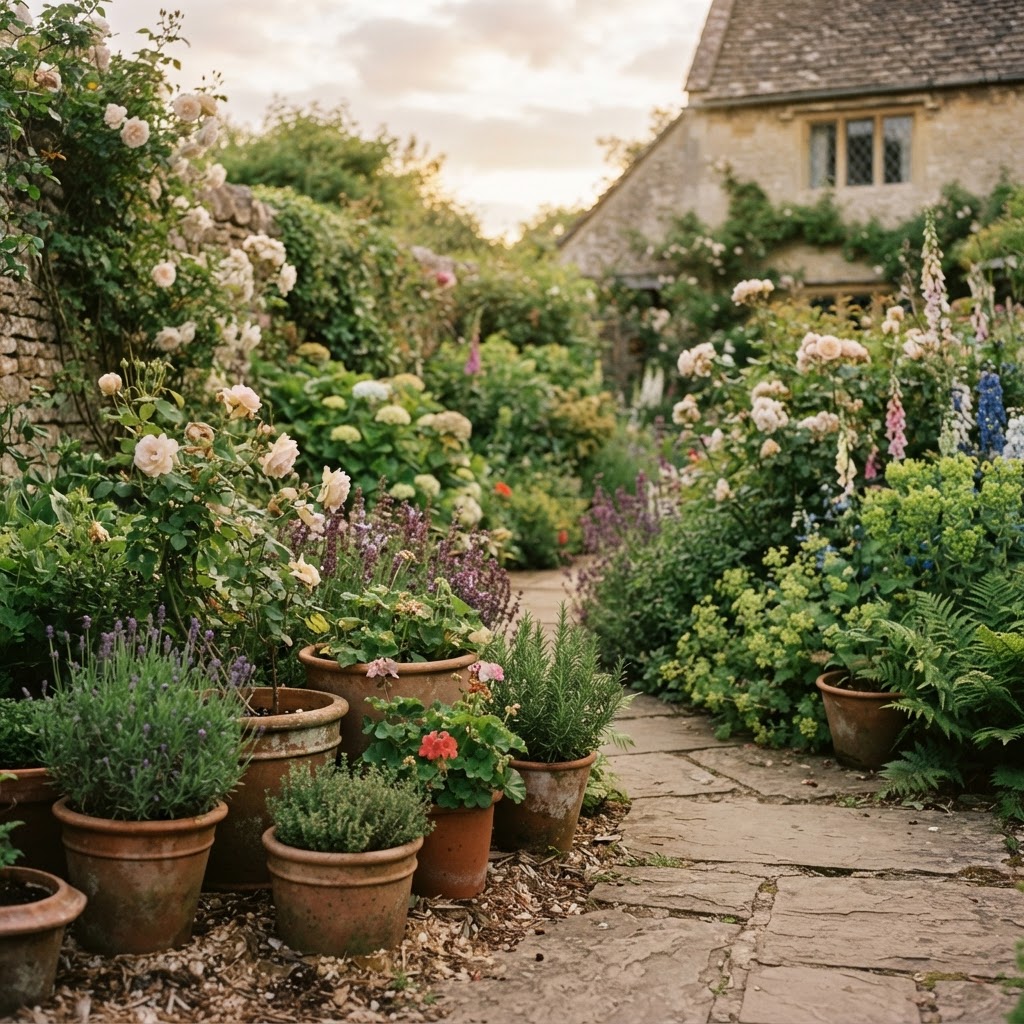
You've done the work. The pots by the door are full and healthy. The bit of border you see from the kitchen window is deadheaded, watered, cared for. By every measure you've set yourself, that high-impact corner of the garden is exactly as it should be.
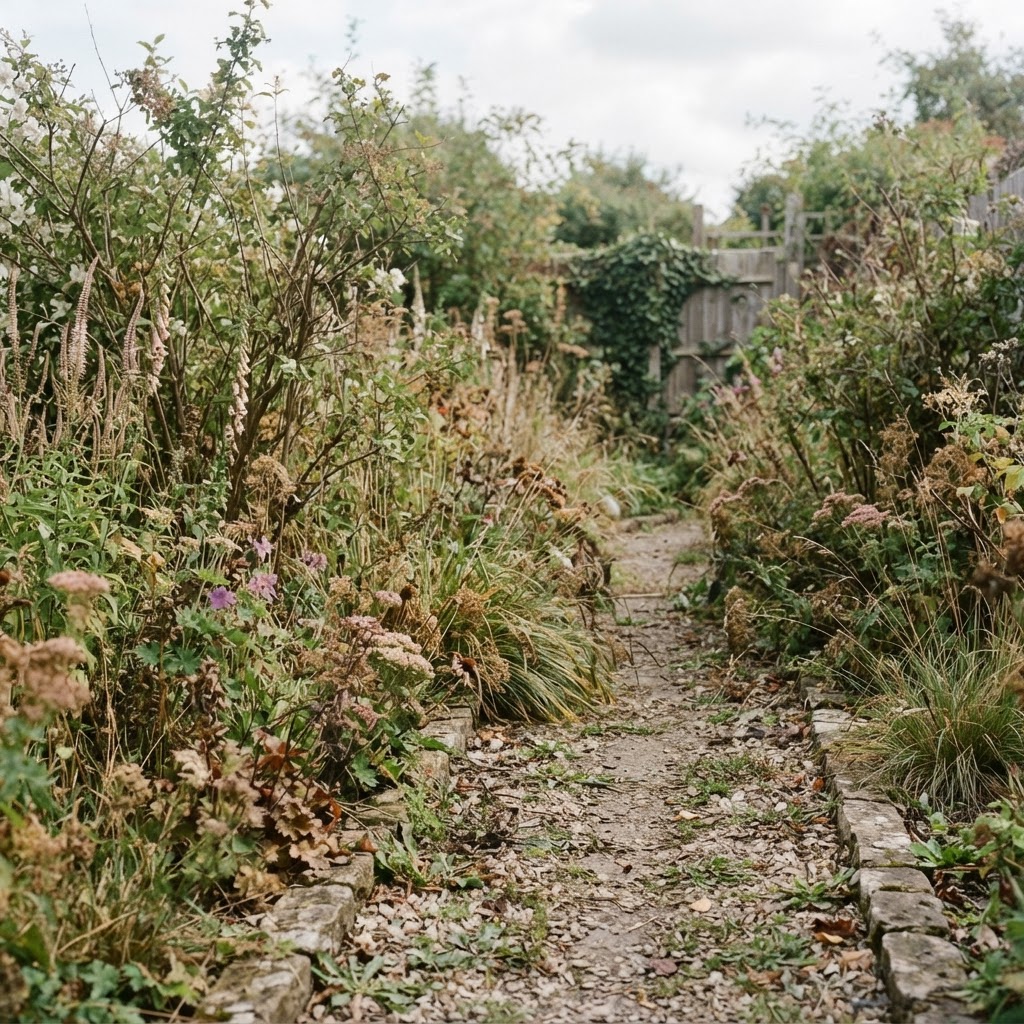
And yet something about the whole picture still feels slightly off. The shrubs behind it have gone leggy. The perennial border along the side has started to blur into a single green shape with no real form. None of it is disastrous — nothing's dying — but it's tired, and somehow that tiredness leaks into the part of the garden you've actually been tending. Your careful containers start to look like a nicely dressed stage with nothing much behind it.
This is Zone 2 asking for a little of your attention. Not because it's failing. Because it's the part of the garden that quietly decides how good everything else gets to look.
The backdrop you stop noticing
If you've read about zone-based gardening before, you'll know Zone 1 — the small, high-impact space you see daily, the one that earns your ten minutes first. It's an idea worth holding onto: not every part of a garden deserves equal attention, and pretending otherwise is a fast route to exhaustion.
But there's a layer that sits just behind Zone 1, and it's easy to miss because it never announces itself the way an overgrown flower bed does. Zone 2 is the structural shrubs, the perennial borders, the trees that give shape to the year — the planting that frames your high-impact space rather than performing in it. You don't look at Zone 2 the way you look at Zone 1. You look through it, or past it, without quite noticing that it's doing anything at all.
That's precisely why it gets neglected. It never demands your attention the way a dying container does. It simply erodes, slowly, until one day the whole garden feels a little less good than the sum of its well-tended parts — and it's hard to say exactly why.
What Zone 2 actually is
Zone 2 makes up roughly a third of most gardens — noticeably more space than Zone 1, and noticeably less demanding of it. It's the structural shrubs that hold their shape through winter. The perennial borders that shift and change with the seasons. The trees that give a garden scale and shade and somewhere for the light to fall differently through the day.
Where Zone 1 needs to look genuinely good under daily scrutiny, Zone 2 has a different job. It needs to look like it belongs — like it was considered, like it's part of a garden someone cares for, rather than an afterthought that happens to be growing there. It gives your garden depth. It's the difference between a single well-kept container and a container that sits within somewhere that clearly has a bit more going on.
None of this is about making Zone 2 as immaculate as Zone 1. That's not what it's asking for, and trying to give it that level of care is usually where gardeners go wrong in the other direction — pouring hours into structural planting that was never meant to carry that kind of pressure. Zone 2 wants something gentler than perfection and more than neglect. It wants to be visited.
The different quality of a Zone 2 visit
A Zone 1 visit is quick and daily — a scan, a deadhead, a watering check, done in the same ten minutes most mornings. A Zone 2 visit asks for something else entirely: two or three times a week, a little longer, and a slower kind of attention.
This is where a lot of the genuine pleasure in gardening actually lives. A Zone 1 visit is largely maintenance. A Zone 2 visit is closer to exploration — following what the plants actually need rather than what the space looks like from the window. You might spend ten minutes here checking whether a shrub wants a light prune, staking a perennial that's started to flop, noticing that a small patch of dieback is worth watching before it spreads any further. Nothing urgent. Just paying attention before a small thing becomes a bigger one.
What this looks like in practice
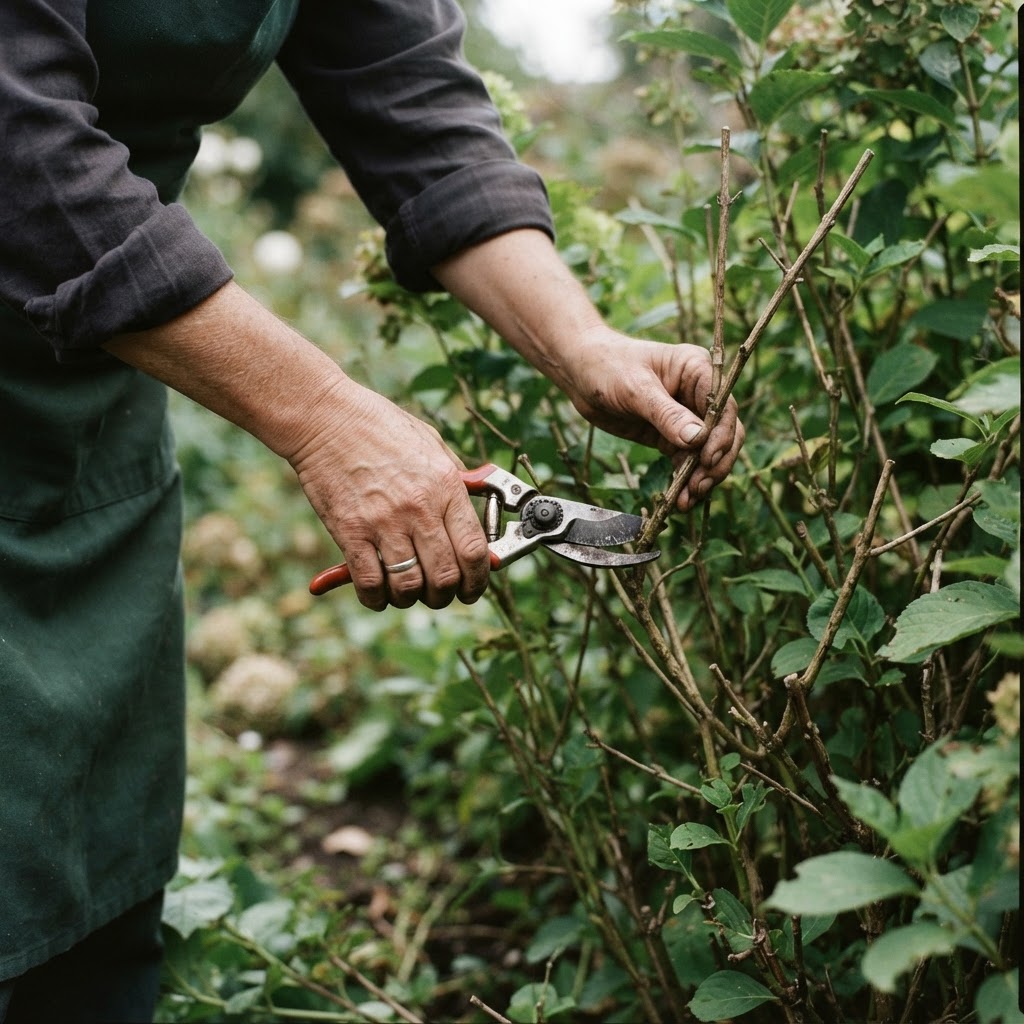
Imagine walking the length of your border on a Tuesday evening with nothing more than a pair of secateurs and no fixed plan. You're not trying to finish anything. You're noticing: this shrub has put on new growth that's crowding its neighbour, that perennial has flowered itself out and could do with deadheading, the tree at the back has a low branch worth watching next spring. You do one or two small things. You leave the rest for the next visit.
That unhurried, following-your-nose quality is the whole point. Zone 2 isn't a checklist. It's a conversation you have with the parts of your garden that give everything else its context — and conversations, unlike chores, don't need to be finished in one sitting.
Why this isn't neglect — it's design
It's worth naming the trap on the other side of this, because it catches just as many gardeners. Some people, once they understand Zone 1, swing the other way entirely and try to give Zone 2 the same daily, exacting care — and burn out doing it, because thirty percent of a garden simply doesn't need or reward that level of intensity.
Letting Zone 2 run at its own, slower rhythm isn't cutting corners. It's recognising what that part of the garden is actually for. A structural shrub doesn't need daily deadheading to do its job. It needs to be checked on now and then, allowed to do most of its own growing, and trusted to hold its shape between visits. Neglecting it entirely lets it erode the whole garden's context. Over-managing it steals time and energy from the high-impact space that actually needs your daily hand. The right amount of care, for Zone 2, is somewhere calm and unhurried in the middle.
This week: one slow visit
You don't need to overhaul your border this weekend, and you don't need to add Zone 2 to a daily list that's already working well as it is. Just once this week, take ten unhurried minutes to walk the parts of your garden that frame your Zone 1 — the shrubs, the borders, the trees you usually walk straight past. Notice what's there. Do one small thing, if something asks for it. Leave the rest.
That's the whole practice. Not more maintenance — just a little more noticing, given to the part of the garden that's been quietly holding everything else up.
If you'd like a simple starting point, our Zone 2 Structure Plants list walks through the shrubs, perennials, and trees that give a garden reliable year-round form — no daily fuss required.