Why Your Zone 1 Changes With the Seasons (and Why That's Fine)
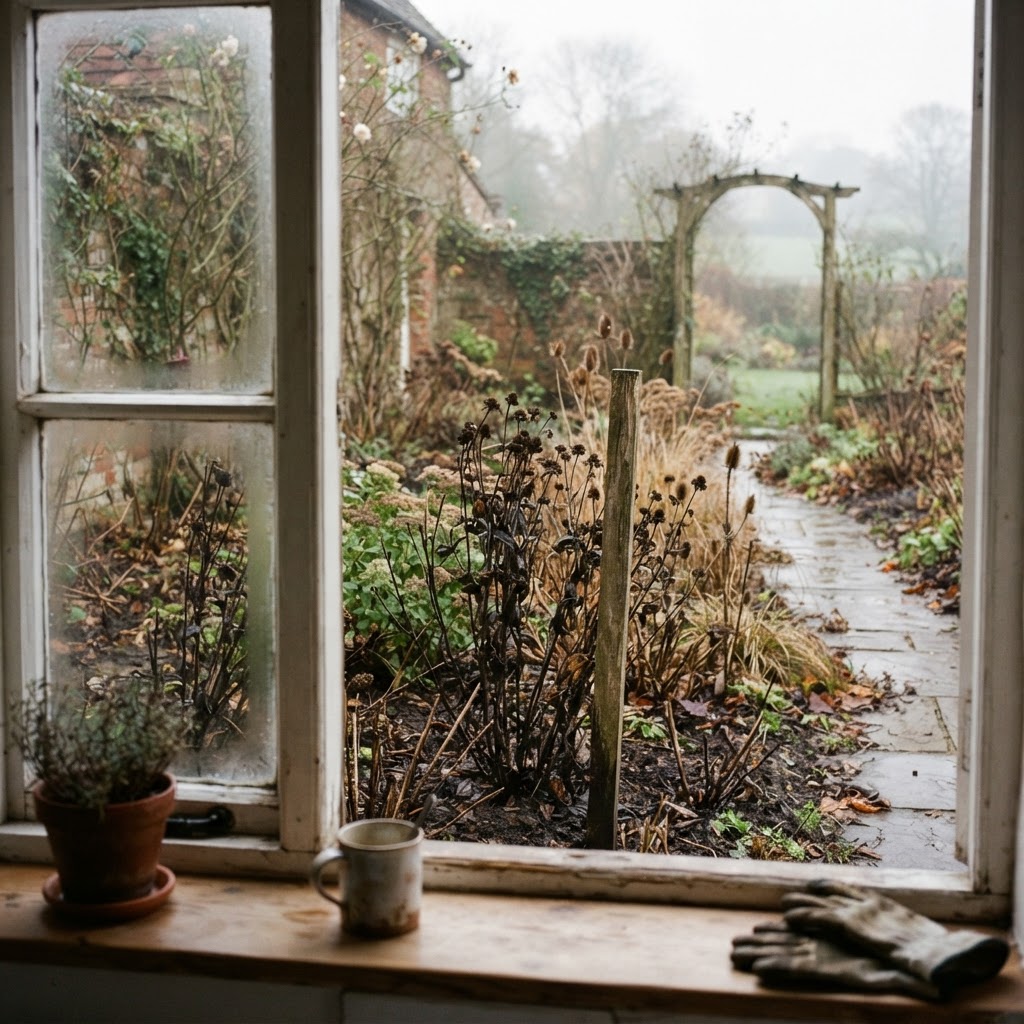
In June, the view from your kitchen window was something to be proud of. The pots were full, the border was flowering, the whole space you'd worked out as your Zone 1 looked exactly like the picture you'd had in your head when you set it up. By November, the same view is bare stems and cut-back perennials and a lot more visible soil than you remember planting.
For a moment, it can feel like you've done something wrong. Like the zone system worked for a season and then quietly stopped working, the way diets and habit trackers tend to. But nothing has failed here. Your Zone 1 hasn't stopped being your Zone 1. It's simply doing what every part of a garden does across a year — it's changing. The only mistake is expecting it not to.
When your favourite corner stops looking like itself
It's an easy trap to fall into, because most of the advice about zones (including plenty of what's on this blog) uses a summer garden as its example. Full pots, flowering borders, a patio that photographs well. Once you've built a picture of what your Zone 1 is supposed to look like, autumn and winter can feel like a departure from the plan — as if the space has let you down, or you've let it down by not doing enough.
But a garden was never going to hold one single appearance for twelve months. Expecting your high-impact space to look like its June self in December is really just perfectionism wearing a seasonal disguise — the same impossible standard as expecting it to look like a magazine spread, just stretched across the calendar instead of compared to someone else's garden.
Zone 1 was never about one look
Here's the part worth holding onto: Zone 1 isn't defined by how a space looks. It's defined by where your attention naturally goes — the spot you'd miss if it stopped being cared for, the view you notice first when you glance out of the window, the corner that shapes how the whole garden feels to you day to day. That definition doesn't depend on flowers being in bloom. It depends on you continuing to look.
In fact, a good way to find your real zones in the first place is to notice what fades from your awareness once the leaves are off and what doesn't. The areas that barely register in winter were probably never truly Zone 1 to begin with — they were borrowed interest, riding on a good summer display. The space you still glance at, still tend, still feel something about even when it's cut back and quiet: that's the real one. Winter has a way of being honest about which parts of a garden actually matter to you.
So the fact that your Zone 1 looks different in January doesn't mean the system has broken down. It means the system is doing exactly what it was designed to do — keeping your attention on the same space, and simply changing what that attention is for.
The four energies, brought home
Once you accept that Zone 1 shifts, the more useful question becomes: what does it need from you this season, rather than what did it need in June. Each part of the year asks for a different kind of doing, not a repeat of the same task list with different plants in it.
Spring in your Zone 1
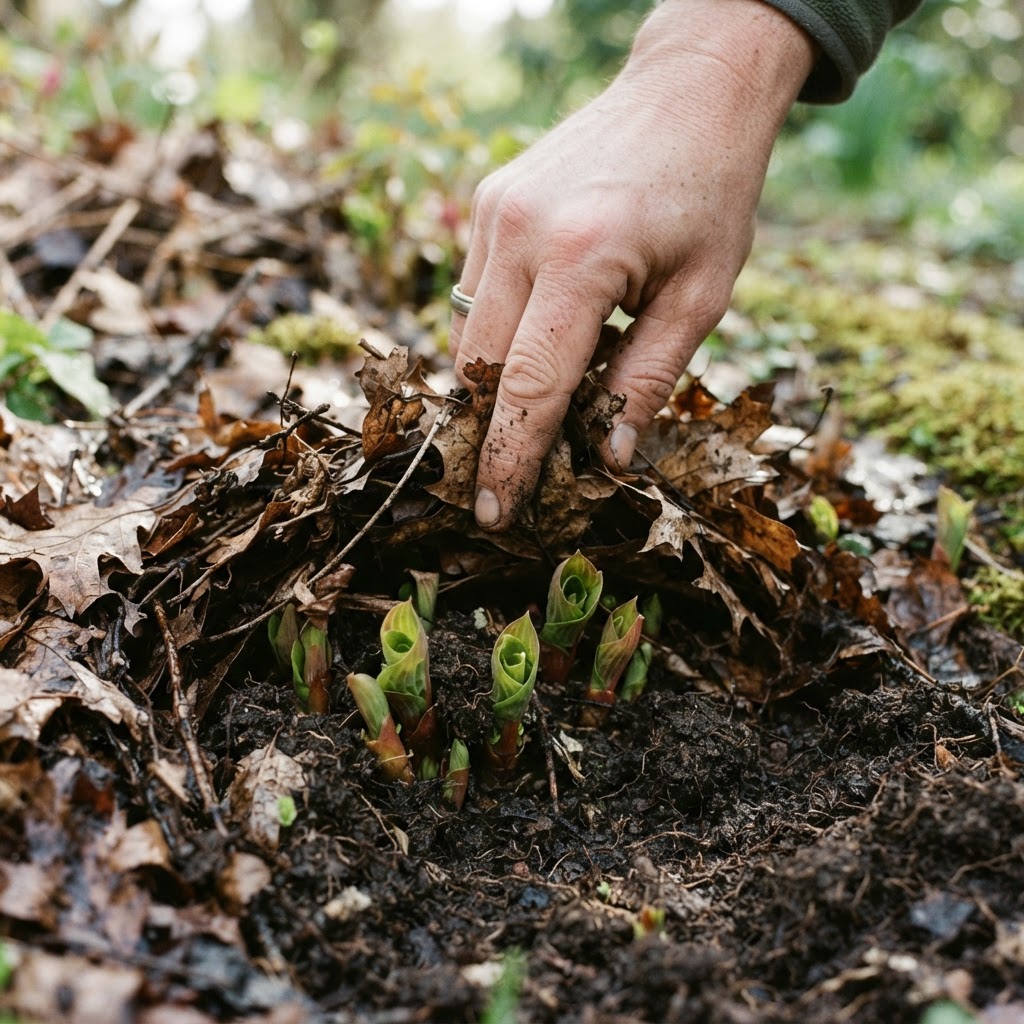
Spring asks for gentle encouragement, not acceleration. This is the season it's easiest to rush — clearing, planting, tidying everything at once because it finally feels possible again. Your daily ten minutes here might mean checking what's emerged overnight, clearing debris from around new growth, or simply noticing what survived winter. Let the soil and the plants set the pace rather than the urge to get ahead of the season.
Summer in your Zone 1
Summer is presence, not intensity. This is when Zone 1 usually looks its best and asks the most of you in return — daily deadheading, a watering check, a quick scan for problems before they spread. The temptation in summer is to think more effort always means more reward. Mostly, it just means less time actually enjoying what you've grown.
Autumn in your Zone 1
Autumn is gathering, not decline. The visible drama of summer eases off, and the work becomes quieter — cutting back, a little tidying, noticing what's still offering something (seedheads, late colour, the particular light of an autumn morning) rather than mourning what's finished flowering. Your ten minutes might shrink here, and that's the season adjusting, not you falling behind.
Winter in your Zone 1
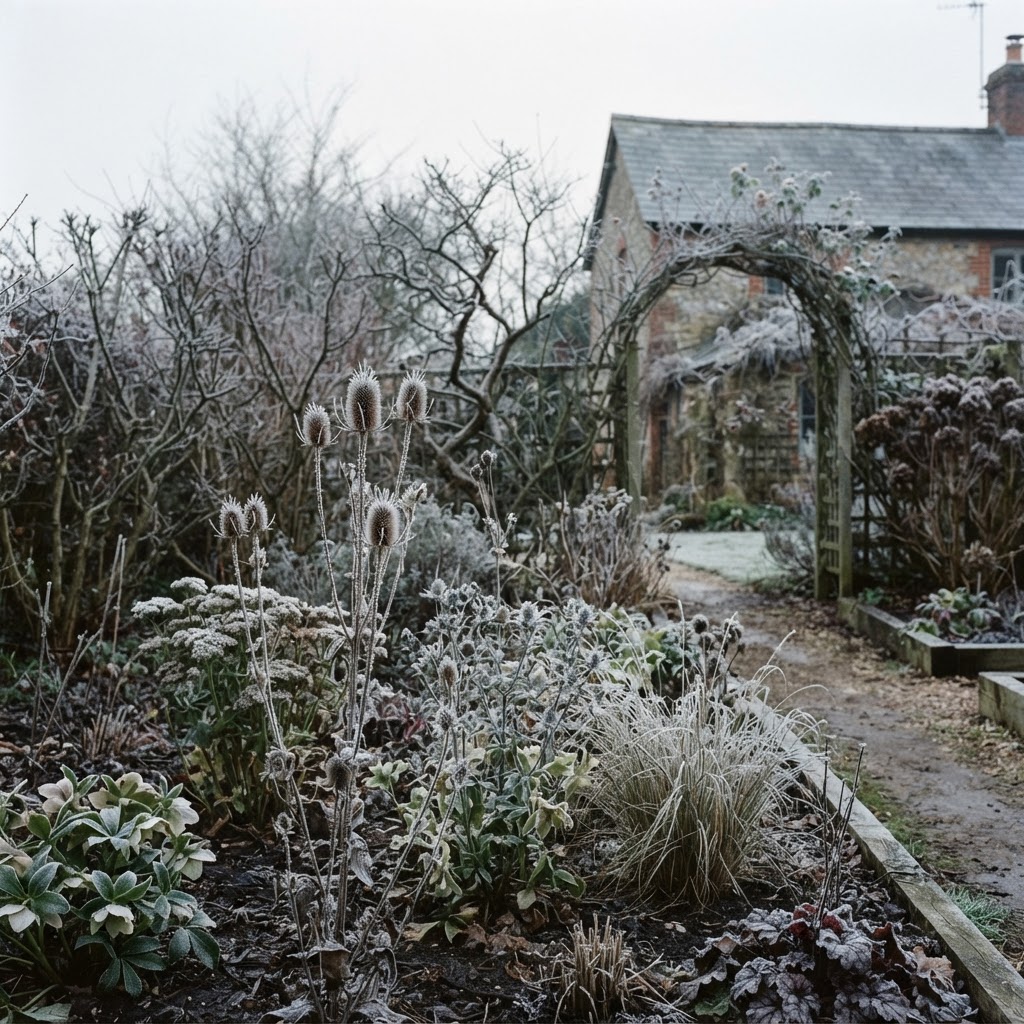
Winter is rest, not failure. Some days, tending your Zone 1 is nothing more than five minutes at the window, checking nothing's been damaged by frost, appreciating the bare structure and the birds using what's left. A quiet Zone 1 in January is not a Zone 1 that's stopped mattering. It's a Zone 1 that's resting, the way the rest of the garden is.
Zone 2 and 3 shift too — but differently
It isn't only Zone 1 that moves through the year. Zone 2's structural shrubs and borders will have their own quieter and busier moments, and Zone 3's wilder margins often become more interesting, not less, once the growing season eases — seedheads left standing for the birds, a log pile that only reveals its residents in the cold. The whole garden breathes with the seasons. Zone 1 simply does it closest to where you're watching.
This week: look again, without June in mind
Next time you glance at your Zone 1, try to see it as it actually is right now, rather than measuring it against how it looked at its best. Spend ten minutes there asking only one question: what does this space need from me this week, given the season it's actually in — not the one you remember, and not the one you're waiting for. Do that one thing, and leave the rest to its own rhythm.
Your Zone 1 was never a photograph. It's a relationship that happens to have seasons — and it's still exactly where it should be.
If you'd like a simple way to track what your high-impact space is asking for through the year, our Four Energies seasonal wheel is a printable guide to what spring, summer, autumn, and winter each actually need from you.