Your Garden Doesn't Need More Hours. It Needs More Returns.
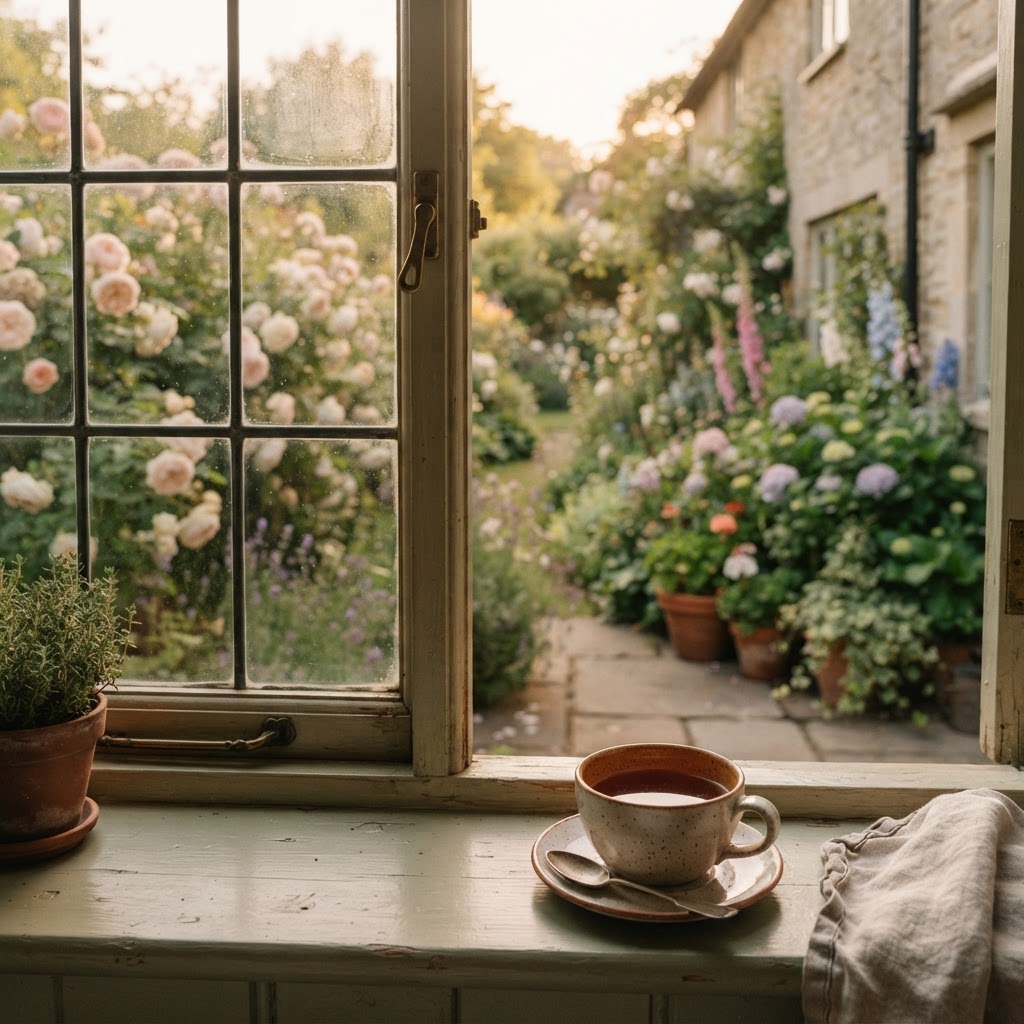
It is Sunday evening, and you are standing at the kitchen window with a cup of tea, looking out at a garden that has been quietly accumulating jobs for weeks. The roses want deadheading. The pots by the door have gone dry again. Somewhere under the ivy, a border you used to be proud of is doing whatever borders do when nobody is looking.
You tell yourself the same thing you always tell yourself: if I just had more time. A free weekend. A fortnight off work. Some mythical stretch of hours in which the whole garden gets sorted, once and for all, and stays that way.
That weekend rarely comes. And even when it does, the garden is usually back to needing you within a fortnight — because a garden was never a problem you solve with hours. It's a relationship you keep by returning to it, and the amount of time you give it matters far less than what that time is spent on.
The time you don't have was never really the issue
"I never have enough time" is one of the most common things gardeners say, and it's almost always true — and almost always beside the point. Most of us aren't short of ten minutes. We're short of a free afternoon, which is a different thing entirely, and one that gardens were never built to need in the first place.
Here's the arithmetic worth sitting with. Ten minutes a day, done consistently, adds up to more than sixty hours across a year — comfortably more than most people spend across all their weekend sessions put together. The raw hours aren't really the point, though. The point is what happens when you show up little and often instead of rarely and hard: small problems get caught while they're still small, plants respond to steady attention with healthier growth, and you stop experiencing your garden as a debt that's always growing.
The weekend-marathon approach feels productive because it's exhausting, and we tend to trust things that cost us something. But a garden doesn't measure your devotion in hours spent. It responds to rhythm — to whether you turn up again tomorrow, not to how heroic today's session was. Once you stop chasing more time and start asking a smaller question — where will ten minutes do the most good? — the whole thing gets lighter.
Not every corner is asking for the same thing
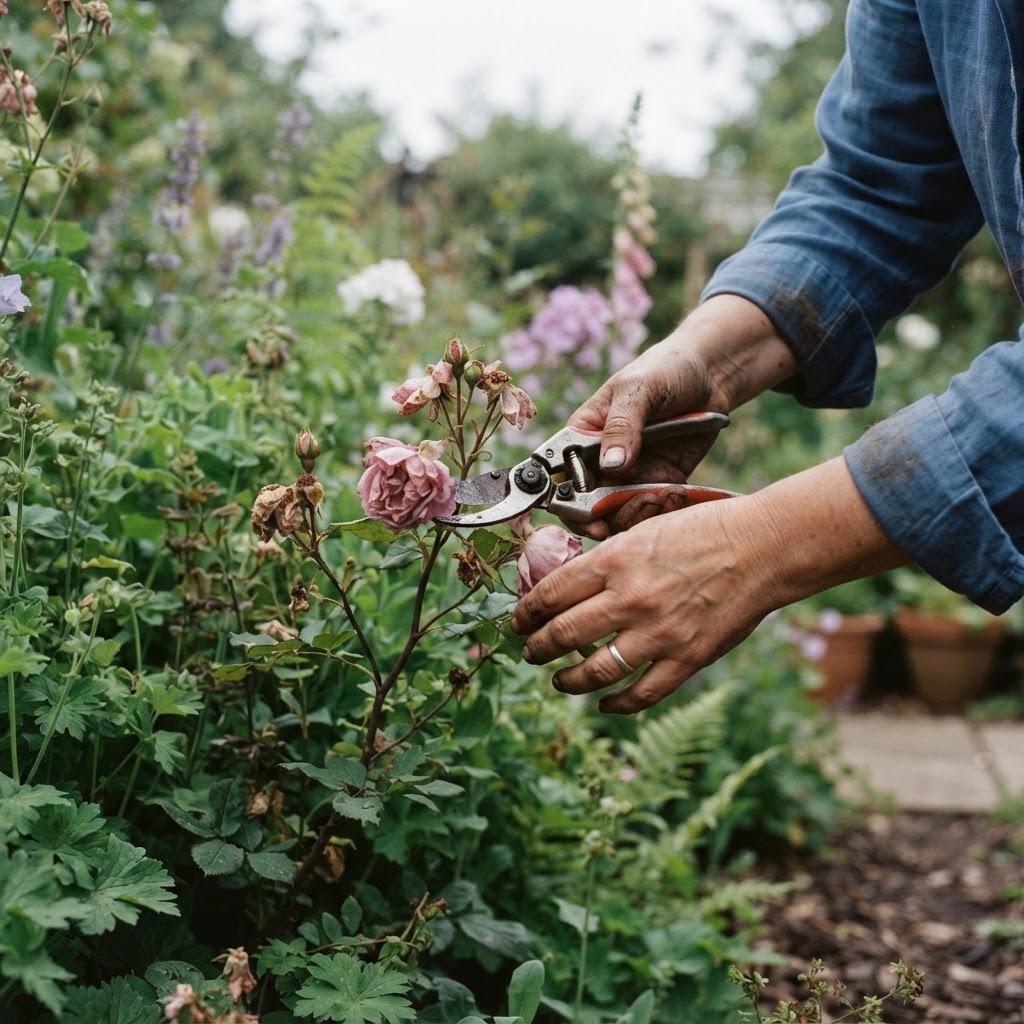
Most gardening advice treats every square metre of your outdoor space as equally important, as if the far corner behind the shed deserves the same attention as the pots you see every time you make coffee. It's an exhausting standard, and it's also simply untrue. Every garden has a natural hierarchy, whether you've noticed it or not.
Some parts of your garden shape how you feel every single day — the view from the kitchen window, the containers by the front door, the spot where you actually sit. Call this your high-return area. It's usually a fairly small share of the total space, often somewhere around a fifth of it, but its effect on how the whole garden feels is completely out of proportion to its size. When this area looks cared for, you feel that the garden is going well, even if the rest of it is doing its own thing entirely.
Behind that sits the supporting area — the shrubs and borders that give your high-return zone its backdrop and depth. This wants attention a few times a week rather than daily: a bit of pruning, a check for anything that's starting to go wrong before it travels somewhere more visible.
And then there's the part of the garden that can mostly be left to get on with it — the wilder margins, the edges, the corner that's more useful to wildlife than it ever was to you. A weekly glance is usually plenty. Loosening your grip here isn't neglect. It's often where the birds and the butterflies turn up.
This is the whole reframe, really. The question was never how do I find more hours for my garden. It's where would ten minutes today create the most return — and for most people, most days, the answer is a strip of ground no bigger than the space they can see from where they're standing.
Presence does more work than effort
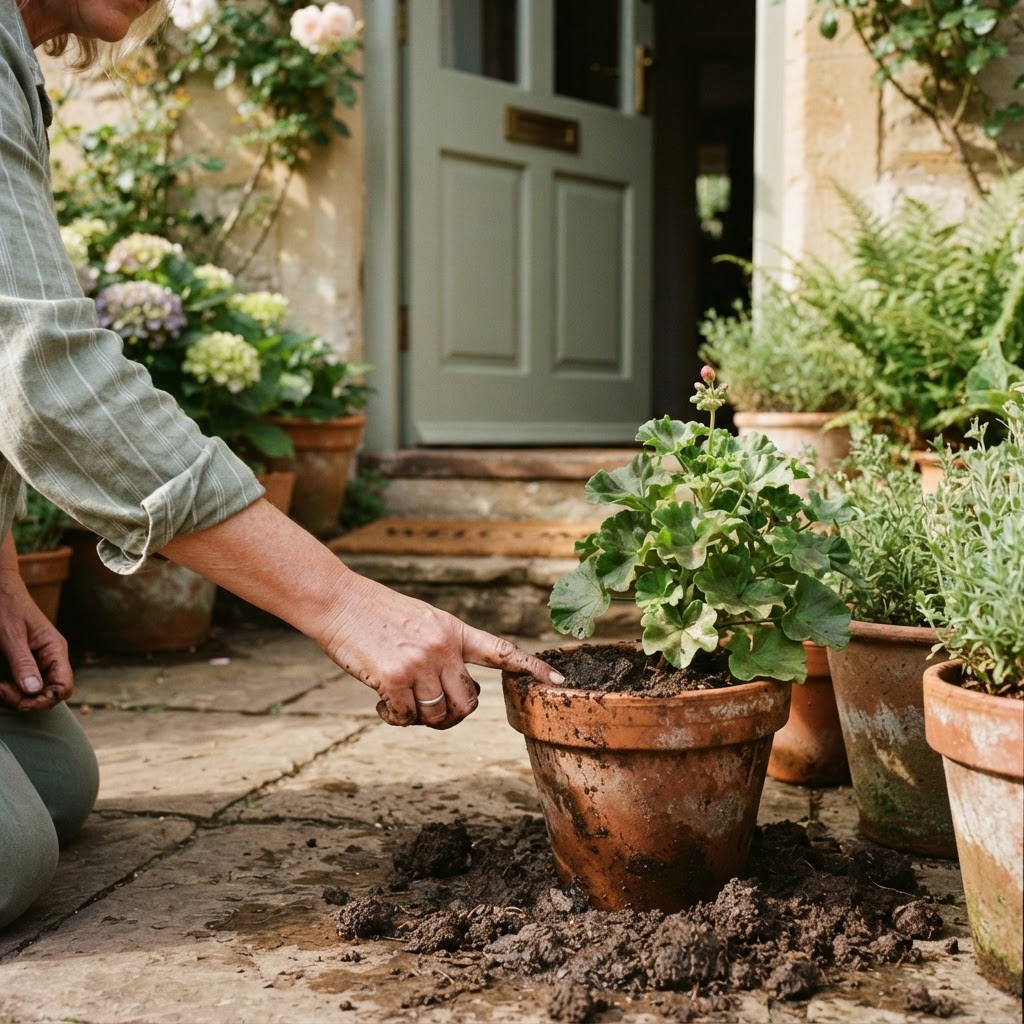
There's a further piece to this that surprises most people the first time they hear it: the quality of the ten minutes matters more than the length of it. A short session where you're genuinely there — noticing the soil, catching a smell of something in flower, actually seeing what's changed since yesterday — tends to leave you calmer and the garden better tended than an hour spent half-present, mentally halfway through tomorrow's to-do list.
That's not a consolation prize for people who are too busy to do it properly. It's simply how it works. Gardens reward the gardener who returns, not the one who occasionally throws everything they have at it and then disappears for three weeks. Consistency, not intensity, is what a garden actually asks of you — and once you stop measuring your worth as a gardener by hours logged, something in the whole relationship loosens.
One small thing to try this week
Tomorrow, before you do anything else in the garden, spend a minute simply looking. Notice which part of it you see most — from the window, from the door, from wherever you actually sit — and give that area your ten minutes instead of trying to cover everything at once. Leave the rest for another day. It will still be there, and so, tomorrow, will you.
That's really the whole method. Not more hours. Just better-placed ones — and the quiet, steady return of showing up again tomorrow.
If you'd like a simple guide to working out where your own high-return area is, along with how often each part of your garden actually needs you, our Zone Frequency guide walks through it in ten minutes — no more gardening theory, just where to start.