You Are Not Behind: Letting Go of the Gardening Calendar in Your Head
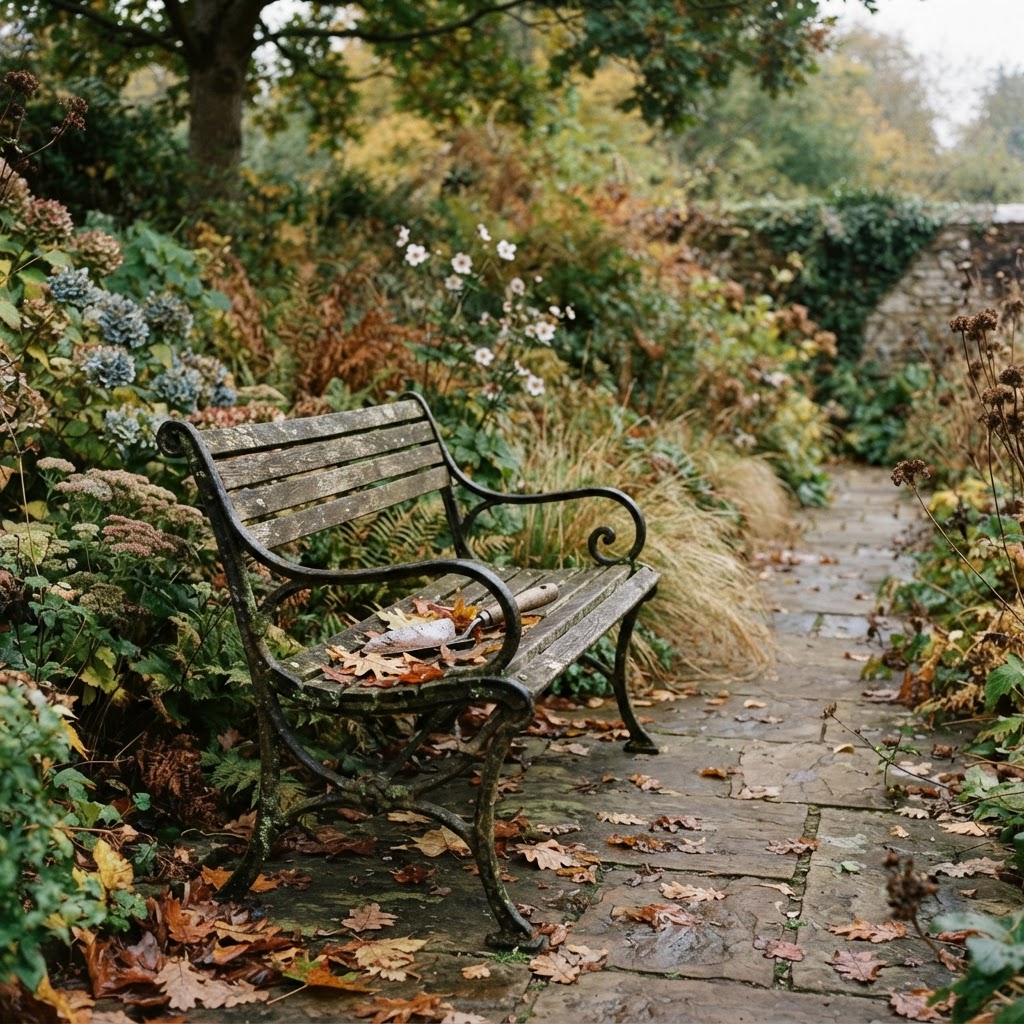
There's a particular kind of dread that shows up in early October, or the first warm week of March, or really any moment when a gardening article, a neighbour, or a half remembered magazine tells you that now is the time to do the thing you haven't done yet. The bulbs should have gone in weeks ago. The pruning should have happened by now. Somewhere out there, a calendar is ticking along without you, and you are, once again, behind it.
This feeling is so common that most gardeners assume it's simply part of the deal, an unavoidable background hum of low grade guilt about timing. It isn't. And the calendar causing it was very likely never written for your garden in the first place.
Where "Behind" Actually Comes From
Almost every piece of seasonal gardening advice you've ever read carries an invisible assumption: that gardens everywhere share the same clock. Plant spring bulbs in October. Prune in late winter. Cut back perennials in early autumn. These instructions sound authoritative, precise, almost scientific. They are, in fact, advice written for someone else's garden in someone else's location, printed as though it applies universally.
Seasons are local. Profoundly local, in ways that a national gardening calendar can never quite account for. A garden in Cornwall experiences an entirely different autumn from one in Yorkshire. A sheltered, south facing plot has a different spring from an exposed, north facing one. A garden at altitude lives inside a different year altogether from one at sea level. Even two gardens on the same street can be weeks apart in when their soil warms or their first frost lands.
This matters more than it might first appear, because it means no book, however well researched, can ever tell you your seasons. Only your garden can do that. When you read "plant spring bulbs in October" and it's already November, the feeling that follows, that you've missed the window, that you're behind, is based on a false premise. You were never actually working against your garden's clock. You were working against a stranger's.
The Garden Wasn't Behind, I Was Measuring It Against the Wrong Clock
There's a particular autumn morning worth describing, because it's the moment this whole idea clicked into place. Standing in the garden one October, comparing what was actually happening there against the mental checklist built up over years of seasonal advice, everything seemed wrong. The roses were still putting out new growth that should, according to every calendar, have slowed by now. Some leaves were dropping earlier than they were supposed to. The whole garden appeared to be running late, or early, or somehow both, depending on which plant you looked at.
And then, looking more carefully, a different picture emerged. The roses weren't late. They were exactly where they needed to be, given the particular warmth of that particular autumn. The leaves weren't falling too early. They were following an intelligence that made the frantic mental scheduling feel almost beside the point. The garden wasn't behind at all. It had simply been measured against the wrong clock the entire time.
This is worth reading twice, because it's the whole answer to the feeling this article exists to address. If you've been carrying a quiet sense that your garden, or your gardening, is behind where it should be, it's worth asking a different question first: behind whose schedule, exactly? Very often, the honest answer is nobody's schedule that actually applies to you.
The Permission to Stop Fighting the Calendar
The traditional approach to seasonal gardening is, in a real sense, a small war against time. Spring becomes a list to complete before summer arrives. Autumn turns into a race against the first frost. Winter, for many gardeners, is simply a long stretch of guilt about everything left undone. Somewhere inside all that rushing and catching up and falling behind, the garden stops feeling like the place you go to feel better and starts feeling like fresh evidence of everything you haven't managed.
There's a different way to hold this, and it isn't lazier or less attentive. If anything, it asks for more attention, not less, just directed somewhere more useful. It begins with a simple shift: letting the garden's own signals tell you what it needs, rather than letting a printed calendar do it for you.
Cold soil in early spring isn't asking to be dug. It's asking to be left until it warms. A plant still in full growth in October isn't asking to be cut back on schedule. It's asking you to wait a little longer. Seed heads standing tall and frosted in the November garden aren't a failure of autumn tidying. They're the garden's own winter gift, both to you and to the birds who'll feed on them through the colder months. Once you start reading these signals instead of overriding them with a fixed date, gardening stops being something you do to the seasons and starts becoming something you do alongside them. That shift changes a great deal.
Reading the Garden Instead of the Date
Learning to read your garden rather than a calendar isn't complicated, though it does ask for a bit of patience while you unlearn the older habit.
Cold Soil Isn't Asking to Be Dug
Early in the year, there's often pressure, both from the calendar and from a general sense of eagerness, to get started as soon as possible. But soil that's still cold and heavy underfoot is telling you something useful: it isn't ready yet. Working it too early can do more harm than good, compacting structure that would otherwise settle naturally as the ground warms. Waiting for the soil to give slightly underfoot, rather than waiting for a date on a page, tends to serve the garden far better.
A Plant Still Growing in October Isn't Late
If a plant is still pushing out new growth well into what a calendar insists should be its dormant season, that's not a sign it's confused or behind. It's a sign the particular conditions of your garden, that year, called for a longer growing window. Cutting it back purely to match a printed schedule interrupts something the plant was still doing perfectly well on its own.
The November Seed Heads Aren't a Failure
Many gardeners feel a pull to tidy everything away as autumn ends, largely because that's what the traditional calendar suggests should happen by a certain point. But seed heads left standing through November and into winter offer real value: food for birds, structure and interest in the low winter light, and shelter for the small creatures that keep a garden's ecology in balance. What looks like an unfinished job by calendar standards is very often exactly right by the garden's own standards.
Real Gardeners Who Let Go of the Calendar
This isn't only a nice idea in theory. It's something a great many real gardeners have discovered, often after years of feeling guilty about failing to keep pace with advice that was never built for their circumstances.
One gardener, a nurse working rotating shifts, spent years feeling guilty about ignoring the spring deadlines and autumn to-do lists in the books she read, simply because none of it fit around nights, earlies, and the particular exhaustion that shift work brings. Eventually she stopped looking at the calendar altogether and started looking at the garden instead. When the soil looked workable, she worked it. When the bulbs seemed ready, she planted them, whether that happened to be a Tuesday at six in the morning after a night shift or a Sunday afternoon in October. The garden, as she put it, didn't know or care what day it was. It only knew what it needed. Her daffodils, she said, had never looked better.
Another gardener, a retired engineer who'd spent years attempting exhausting weekend marathons to keep pace with seasonal schedules, switched to ten minutes of seasonal attention each morning instead. He described the shift almost as a kind of meditation, saying the garden responded to consistent attention in a way it never had to occasional intensive sessions.
A third gardener moved from an inland city to a coastal village and had to unlearn almost everything she thought she knew about timing. Her camellias, it turned out, bloomed from December right through to April in their new milder coastal spot, a rhythm she'd have missed entirely if she'd stuck rigidly to the calendar she'd used inland. The garden, she said, simply taught her its own rhythm once she was willing to listen.
Your Seasons Will Be Different From Everyone Else's
It's worth stating plainly: your garden's timing will not match a book's calendar, and it very likely won't match your neighbour's garden either, even if you live two doors apart. That isn't a problem that needs solving. It's simply the nature of local, living things responding to local, specific conditions.
In warmer climates with longer growing seasons, a garden often asks for presence across more of the year. In cooler climates with shorter seasons, the dormant months tend to become richer in their own way, offering more time for planning, reading, and quietly dreaming about what next year might bring. In changeable climates, the most reliable guide of all is simply patient, repeated observation of what's actually happening outside your own window, rather than what a general seasonal guide predicts should be happening.
Four Energies, Not a Task List
It helps to think of the year less as a list of jobs and more as a set of four broad energies, each asking for a different kind of attention rather than a fixed set of tasks.
Spring asks for awakening: a gentle encouragement rather than a rush, even though the instinct to hurry is strong and nearly universal among gardeners at this time of year. Summer asks for presence, showing up regularly to enjoy and lightly maintain what's already thriving. Autumn asks for gathering, both literally, in terms of seed collection and preparation, and more figuratively, as a season of pulling things together before the quieter months. Winter asks for rest, both the garden's and, if you let it, your own.
None of these energies come with a strict start date. They arrive when your particular garden's signals say they've arrived, which might be weeks earlier or later than a generic calendar suggests, and might shift from year to year depending on the weather that season actually brings.
How to Start Reading Your Own Garden This Week
If you'd like to begin letting go of the calendar in your head, there's a simple, low pressure way to start.
This week, rather than consulting a task list, spend a few minutes outside each day simply noticing what energy is actually present right now. Which plants are showing signs of activity? Which are clearly resting? Which seem to be hovering somewhere in between, not quite one thing or the other? Let those observations be your first guide, rather than a date on a page.
Next, once you've spent a few days simply watching, choose one task that genuinely feels aligned with what the garden seems to be asking for, rather than something a fixed schedule insists must happen this week. Notice how doing that task feels, compared with the slightly forced feeling of ticking off an obligation that doesn't actually match what's in front of you.
Over the following weeks, keep tracking which approaches feel natural and which feel forced. Let the garden's own signals gradually take over from any fixed schedule you've been carrying in your head. Trust that this kind of repeated, patient observation will teach you more about your particular garden, in time, than any calendar ever could.
Frequently Asked Questions
How do I know when my garden is actually ready for a seasonal task, if not by date?
Look for physical signals rather than dates: soil that gives slightly underfoot rather than staying hard and cold, new growth actually emerging rather than a date suggesting it should have, or existing growth clearly slowing and preparing to rest. These signals are more reliable than any generic calendar, because they come directly from your own garden's specific conditions.
Is it too late to plant spring bulbs if October has already passed?
Not necessarily. Bulbs can often still be planted into November, and sometimes later, particularly in milder regions or milder years. Rather than treating October as a hard deadline, check whether the soil is still workable and the ground hasn't hardened with frost. If it hasn't, there's usually still time.
My neighbour's garden always seems to be ahead of mine at the same time of year. Am I doing something wrong?
Almost certainly not. Even neighbouring gardens can differ significantly in soil type, sun exposure, shelter from wind, and microclimate, all of which affect timing. A garden being genuinely different from the one next door is normal, not a sign of a mistake on your part.
Should I ignore seasonal gardening guides altogether?
Not entirely. General seasonal guides are useful as a rough orientation, a sense of what kind of tasks tend to suit which part of the year. The key adjustment is treating them as a loose guide rather than a fixed deadline, and letting your own garden's actual signals have the final say over any printed date.
What if I genuinely have missed the ideal window for a task?
Very often, "ideal" windows are wider and more forgiving than seasonal guides imply. And if you have missed it, the garden rarely holds it against you the way guilt suggests it should. A task done a little later than a book recommends is still very often worthwhile, and a season missed entirely simply becomes a season to try again next year.
How long does it take to learn to read a garden's signals instead of relying on a calendar?
It varies, but many gardeners find that within a single season of paying closer attention, quite a lot becomes clearer: which signs to look for, how their particular garden tends to behave, and how to trust what they're observing over what a generic guide predicts. Like most things in this practice, it builds gradually with consistent attention rather than all at once.
Your garden has never actually been behind. It's been keeping its own time all along, patiently, whether or not you were reading it correctly. The calendar in your head was never really yours to follow. Your garden's signals always were.
Your Garden Friend