There Is No Wagon to Fall Off: How to Return to Your Garden After a Long Absence
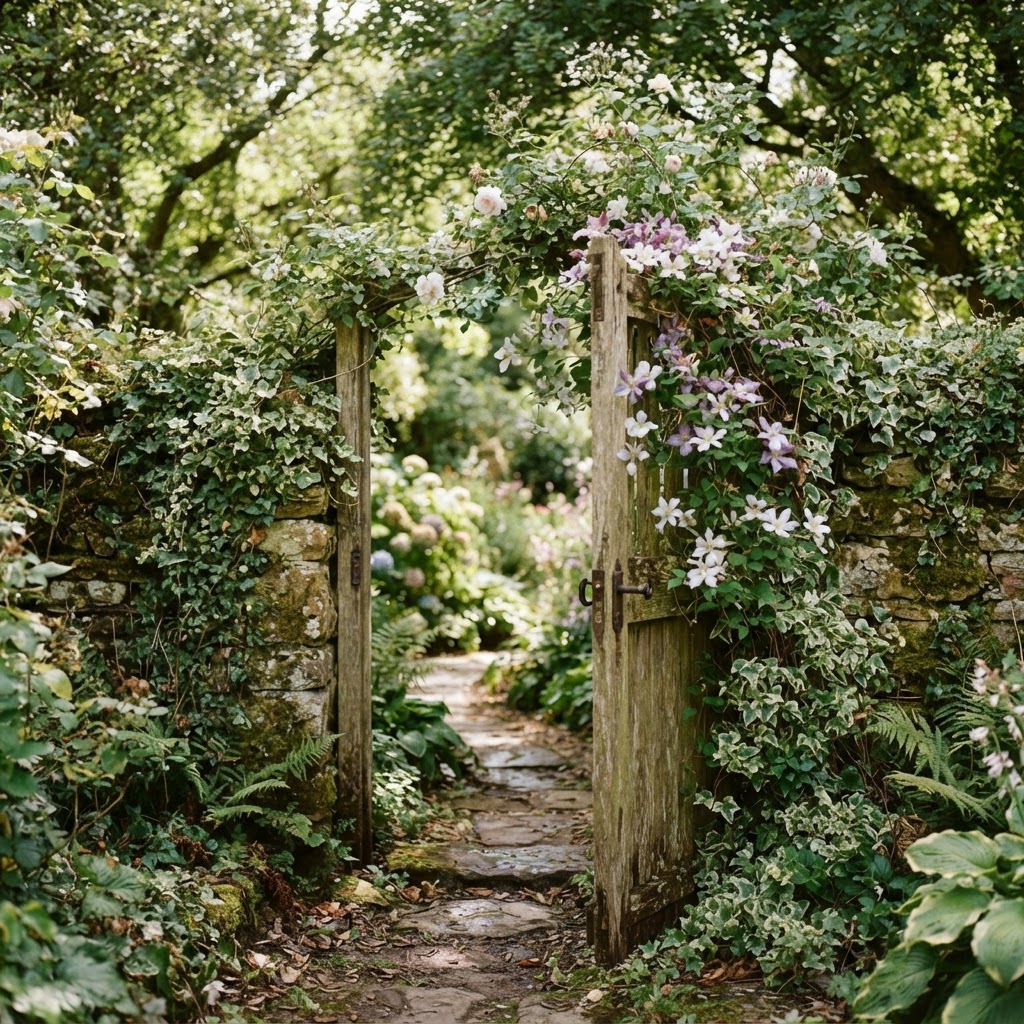
There's a particular kind of avoidance that happens after you've been away from your garden for a while. Not a day or two, but weeks, maybe months. You catch a glimpse of it through the window and look away quickly, the same way you might avoid checking a bank balance you already suspect is bad news. The longer you avoid looking properly, the worse you imagine it must be, and the harder it becomes to face.
If that's where you are right now, here is the most useful thing anyone can tell you: there is no wagon to fall off. There never was. What you're carrying isn't really about the state of the garden. It's a story about failure that's grown much larger than the actual weeds ever were.
Why "Falling Off the Wagon" Is the Wrong Metaphor Entirely
The phrase itself gives away the problem. A wagon suggests a single, precarious position you either maintain or lose, an all-or-nothing state where one missed day undoes everything that came before it. Gardening, and this practice in particular, was never built on that model, however much the guilt in your chest might insist otherwise.
A garden isn't a streak to protect. It's a relationship you return to. Relationships aren't ruined by absence. They're only genuinely harmed by the decision never to come back at all. A friend you haven't spoken to in months is still your friend the moment you pick up the phone again. Your garden works the same way, and it is, if anything, considerably more forgiving than most friendships, because it never once resented you for staying away.
This distinction matters more than it might seem. If you've been thinking of your absence as having "fallen off," you've been quietly measuring yourself against a standard, an unbroken streak, that this practice never actually asked of you. There was no streak. There was only ever the next morning, and the choice to step outside again, whenever that morning happens to arrive.
The Garden Will Be Exactly As You Left It
Here's something worth holding onto before you even step outside: the garden will be exactly as you left it. Not punishing you, not judging you, not keeping some private tally of the days you missed. It's simply been growing, resting, and quietly getting on with its own business in whatever way plants do that, entirely without reference to your feelings about it.
Some things will have changed, certainly. Grass will be longer. A few weeds will have got further along than you'd like. A container might have suffered from lack of water. But none of this is a verdict on you as a person, however much the guilty voice in your head might frame it that way. It is simply what happens to living things over time, whether or not anyone is paying close attention. The garden hasn't been sitting there accumulating resentment. It's been doing what gardens do.
What Actually Happens to a Garden During a Long Absence
It helps to be honest and specific about what a period of neglect actually produces, because the imagined version is almost always worse than the reality.
Weeds will have grown, certainly, some of them further along than a fortnight's worth would be. But weeds, even well established ones, are rarely beyond dealing with. They simply take a bit more effort to remove than they would have taken earlier, not a fundamentally different kind of effort. A lawn left unmown for weeks looks unkempt, but it recovers within a single mowing or two, not months. Plants that needed regular watering may have struggled, and it's true that some may not have survived. That's a real loss worth acknowledging honestly, but it's also simply part of gardening, something that happens even to the most attentive gardeners at some point, not a unique consequence of your particular absence.
What a garden almost never does, whatever the guilty imagination suggests, is become irreversibly ruined by a few weeks or even months of neglect. Gardens are considerably more resilient than the stories we tell ourselves about them. The vast majority of what's waiting for you, when you finally do look properly, is manageable, ordinary, and nowhere near as catastrophic as the version you've been picturing from behind the curtain.
The Guilt of Returning Is Heavier Than the Task Itself
This is worth saying plainly, because it's almost always true: the guilt of returning is a heavier weight to carry than the actual work of returning ever turns out to be. The dread beforehand is nearly always worse than the reality once you're finally standing there, trowel in hand, looking honestly at what needs doing.
This happens because guilt, left unattended, tends to grow independently of the thing it's attached to. A border that's been left for three weeks doesn't get three weeks worse in your mind; it gets months worse, imagined as some sprawling, unmanageable disaster that requires a heroic weekend to fix. When you finally do step outside and look properly, most people find the reality considerably smaller and more manageable than the version they'd been avoiding.
How to Return Without a Big Production
You don't need a grand re-entry. You don't need to clear a whole weekend, buy new tools, or mentally prepare yourself for some enormous reckoning. The return can be exactly as small and unremarkable as any other visit in this practice.
Start With Looking, Not Doing
Before you do anything at all, simply go outside and look. Don't reach for a task straight away, and don't try to catalogue everything that needs attention in one overwhelming sweep. Just look, the way you would on any ordinary morning, and let yourself take in what's actually there, rather than the imagined version you've been carrying around. This alone tends to be enormously relieving, because it replaces a vague, oversized dread with something specific and, usually, much smaller than expected.
Choose the Smallest Possible First Task
Once you've looked, resist the urge to tackle everything at once in an effort to make up for lost time. That instinct, understandable as it is, usually leads to exhaustion and, ironically, another lapse shortly afterwards. Instead, choose the smallest task you can find. Water one thirsty container. Pull a handful of the most obvious weeds. Deadhead a few spent flowers on the plant nearest the door. The size of the task matters far less than the act of simply beginning again.
Let Zones Guide Where You Begin
If you're not sure where to start, begin with whatever part of the garden you see most often, the space nearest the window or the door. Getting that one small area back into a state that feels cared for tends to lift the feeling of the whole garden disproportionately, even while the rest waits patiently for its own turn over the days and weeks ahead.
What to Say to Yourself Instead of "I've Ruined It"
The story you tell yourself in this moment matters a great deal, because it shapes whether returning feels possible or impossible. "I've ruined it" is rarely true, and even when some part of the garden genuinely has suffered, that single sentence forecloses the far more useful, far more accurate story available to you.
Try, instead, something closer to this: "I stepped away for a while, and now I'm back." That's simply what happened, stated plainly, without the extra weight of judgement piled on top. It doesn't minimise the fact that things need attention. It just refuses to turn a gap in time into a verdict on your character.
It can also help to remember that one missed day, or one missed month, does not erase whatever progress came before it. The ten-minute visits you managed last spring are still real. The border you shaped the previous year hasn't vanished because you stepped away for a while. Progress in a garden accumulates in ways that don't simply reset to zero the moment attention lapses.
When It Feels Like Giving Up
Sometimes the return itself feels less like the obstacle and more like an admission that you've failed at this altogether, that perhaps the whole practice simply wasn't for you. If that thought has crossed your mind, it's worth pausing on directly.
One missed stretch, however long, does not mean you've failed at gardening, any more than missing a few calls with a friend means the friendship is over. There is no streak to protect and, by extension, no streak to have broken. There is only the next morning, and the entirely ordinary choice to step outside again, exactly the same choice available to you on any other day of this practice.
If the gap has left you feeling low on motivation more broadly, it can help to return to the feeling that first drew you to gardening rather than the list of tasks now waiting. What did you enjoy about being out there, before the guilt took over? The quiet, the smell of the soil, the particular pleasure of watching something grow. Returning to that feeling, even briefly, tends to make the practical return follow much more naturally than trying to force yourself back through obligation alone.
And if you're comparing your current garden to how it looked at its best, or to someone else's garden that never seems to falter, it's worth remembering that your garden tells your story, not theirs. Every garden has its own quiet history of neglect and recovery. Yours is simply having one of its ordinary chapters right now, not a unique failure.
Making the Next Return Easier
Once you're back, however small that return has been, it's worth thinking gently about what might make the next lapse, should one happen, a little easier to recover from. This isn't about preventing every future gap through sheer willpower. Life will always create stretches where the garden has to wait. It's about noticing, without self blame, what made this particular return harder than it needed to be, and adjusting accordingly.
Perhaps the tools had been put away somewhere inconvenient, adding friction to the simple act of stepping outside. Perhaps the guilt built up because there was no plan for what to do first, so the whole prospect felt too large to face. A small adjustment, tools kept somewhere visible and easy to reach, or a mental note of the one task you'll start with next time, can make the next return considerably lighter than this one was.
Keeping a simple weekly note, just a line or two about what you noticed in the garden and in yourself, can also help over time. It isn't a performance record or a way of tracking a streak. It's simply a gentle habit of paying attention to your own progress, the same quality of attention that makes the garden itself worth returning to in the first place.
Frequently Asked Questions
I've neglected my garden for months. Is there any point starting again now?
Yes, genuinely. Gardens are far more resilient than the guilt around them suggests, and the vast majority of what's waiting for you after months away is manageable rather than catastrophic. Start with looking, then choose one small task, and let the rest follow in its own time.
How do I stop feeling guilty every time I look at my neglected garden?
Guilt tends to fade once you replace the vague, oversized version of the problem with something specific and small. Looking honestly at what's actually there, rather than avoiding it, is usually the fastest way to shrink the guilt down to something manageable.
Should I try to catch up all at once with a big weekend session?
It's generally better not to. A single overwhelming session tends to lead to exhaustion, and sometimes to another lapse shortly afterwards. Small, consistent ten-minute visits, resumed gradually, tend to work better and feel considerably more sustainable than trying to undo weeks or months of absence in one go.
What if some of my plants have died while I was away?
That's a genuine loss worth acknowledging, and it happens to gardeners at every level of experience, not just after a long absence. A dead plant isn't a verdict on your ability. It simply means that spot is available for something new, whenever you're ready.
How do I know where to start if the whole garden feels overwhelming?
Begin with the area you see most often, usually the space nearest a window or door. Bringing that one small area back into a state that feels cared for tends to lift how the whole garden feels, even while the rest waits its turn.
Will this happen again? Will I keep falling into the same pattern of neglect and guilt?
Possibly, and that's simply part of a real, ongoing relationship with a garden across a real, busy life. The aim isn't to eliminate every future gap. It's to make returning, whenever a gap happens, feel easier and less loaded each time, so that a lapse stays a lapse rather than becoming a permanent stopping point.
Your garden isn't waiting to judge you. It's just waiting. Whenever you're ready to step back outside, however long it's been, it will be exactly where you left it, entirely willing to begin again.
Your Garden Friend