The Shame Spiral That Keeps Gardeners Away From Their Own Gardens
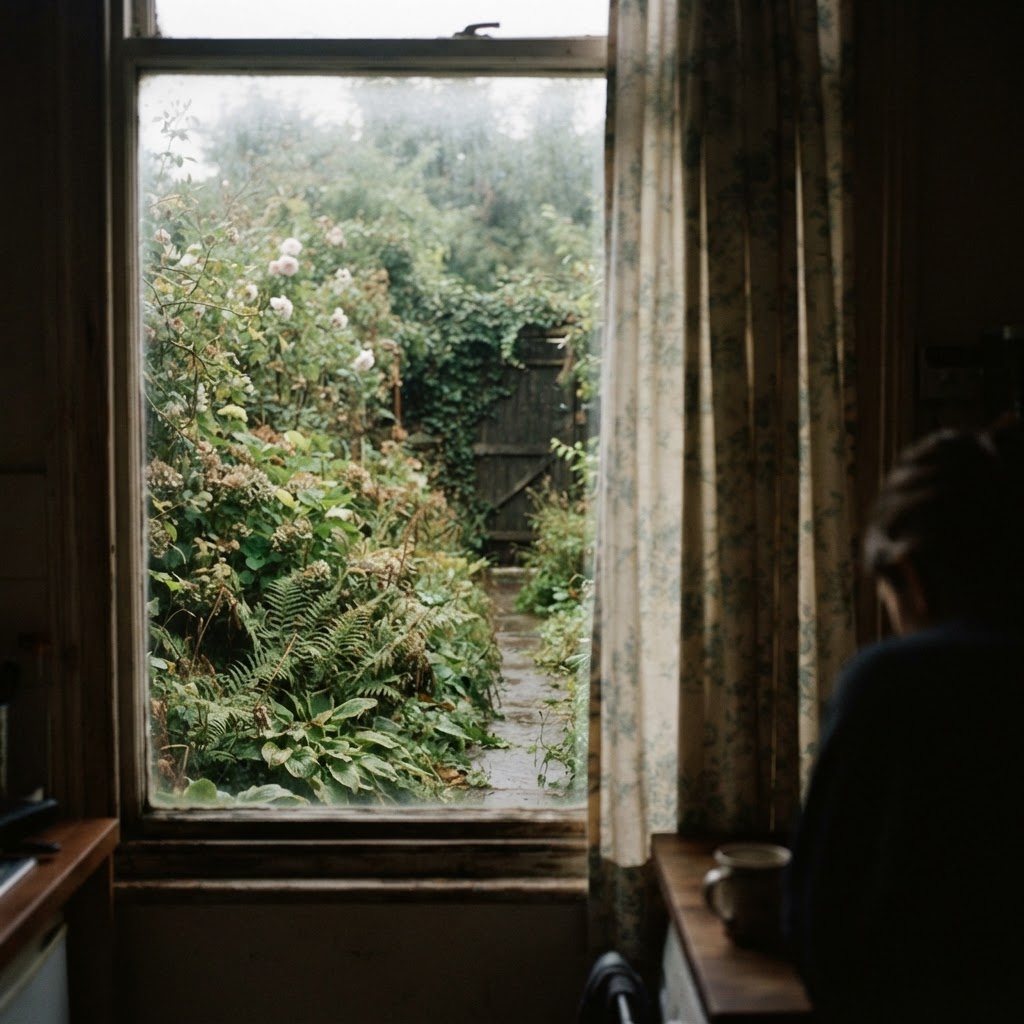
There's a particular kind of avoidance that doesn't look like avoidance at all. You don't decide, in any conscious way, to ignore your garden. You just stop walking that way. The curtains on that side of the house stay half-drawn. When someone mentions coming round, you find yourself apologising for the garden before they've even arrived, before anyone has said a single word about it. You know, roughly, that it's not in good shape out there. What you don't know — because you haven't actually looked in weeks — is how bad it really is.
This isn't laziness, and it isn't really about the garden at all. It's a specific, very human way of protecting yourself from a feeling, and understanding how it works is often the first real step toward walking back outside — not with a plan, and not with an apology ready, but simply to look.
Why avoidance feels safer than looking
Most people assume that neglecting a garden comes from not caring enough. Usually it's closer to the opposite. You care, which is exactly why looking at the gap between the garden you wanted and the one you've got has become something to steer around rather than face. Not looking feels, in a strange way, safer than looking — because as long as you haven't confirmed how bad it's become, some part of you can hold onto the hope that it isn't really that bad. Actually walking out there and seeing it properly would mean finding out for certain, and finding out for certain is the part that's being avoided.
This is also where the pre-emptive apology comes from — the reflex to warn people about the state of the garden before they've noticed anything wrong. It's a way of managing the shame in advance, taking the sting out of a judgement that, in most cases, was never actually coming from the other person at all.
The spiral beneath the spiral
Here's the part that makes this pattern particularly stubborn: the longer the avoidance goes on, the worse the imagined version of the garden tends to become in your head. Without any real information — because you're not looking — your mind tends to fill the gap with the worst-case picture. A few unset weeds becomes, in your imagination, an unmanageable jungle. A dry patch becomes total collapse. The less you look, the more catastrophic the un-looked-at version grows, which makes looking feel even harder, which extends the avoidance further still. It's a spiral with its own quiet logic, and it can run for months without anyone — including you — quite noticing it's happening.
All-or-nothing starting
There's a second trap that often locks the spiral in place: the belief that if you can't deal with it properly, there's no point starting at all. Once a garden has been avoided for a while, the idea of "dealing with it properly" tends to balloon into something huge and daunting — a whole weekend, possibly several, of hard labour just to get back to a reasonable baseline. Faced with a job that size, putting it off for one more week feels like the only sane response. And so the avoidance that started as a way of managing a feeling turns into a genuinely practical obstacle too, each reinforcing the other.
What's actually out there is rarely what you imagine
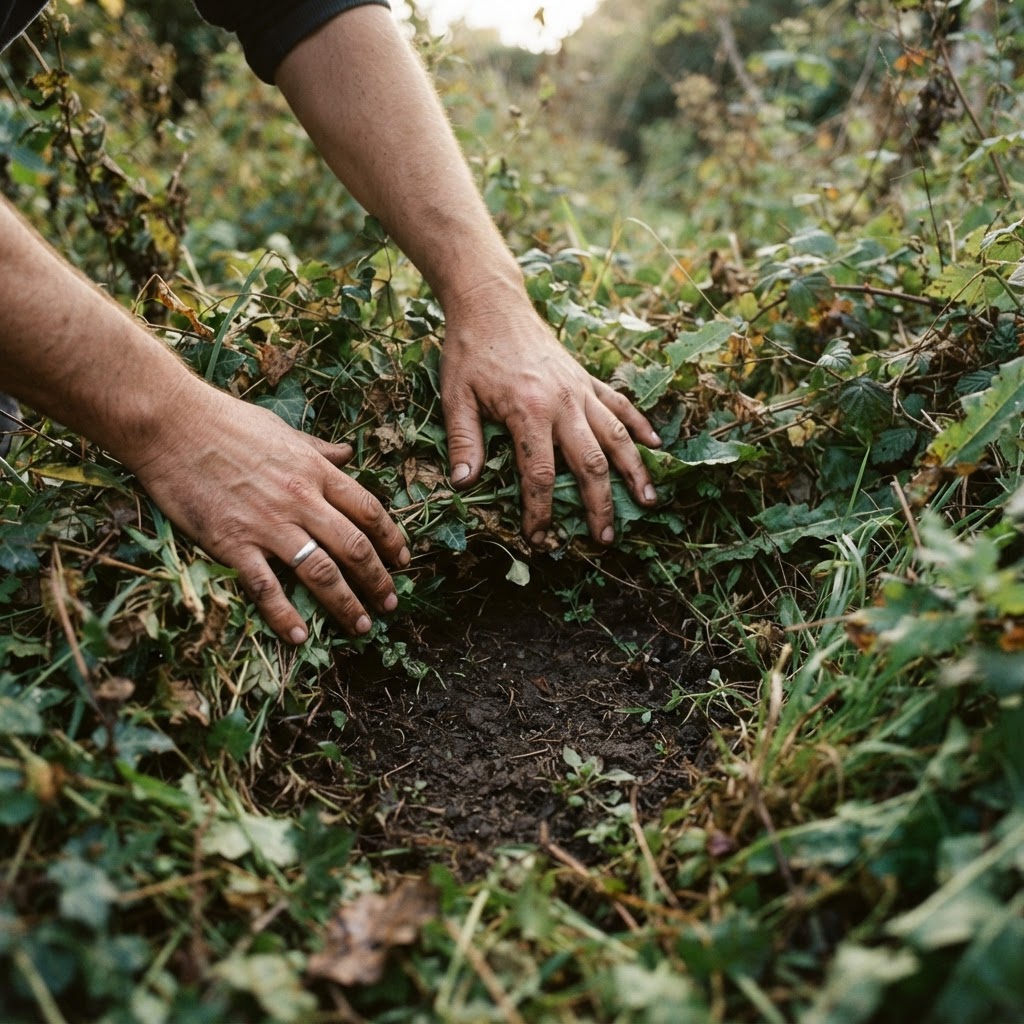
It's worth saying plainly: the version of the garden that's been building in your head during weeks of not looking is almost always worse than the version that's actually there. Plants are more resilient than the guilty imagination gives them credit for. A few weeks, or even a few months, of reduced attention rarely undoes a garden completely — it simply leaves it looking a bit wilder and less tended than you'd like, which is a considerably smaller problem than the one you've likely been picturing.
More importantly, whatever state it's genuinely in isn't a verdict on you. You have not failed the garden. You have simply been busy, or tired, or dealing with a life that had other, more pressing demands for a while. Those are not the same thing, however similar they can feel standing at a window you've been avoiding.
The no-judgement walk
The way back out doesn't start with a task list, because a task list is exactly what the all-or-nothing trap needs to keep you stuck. It starts with looking — properly, gently, and with nothing you're required to do about what you find.
Walk outside slowly. A few steps count, if that's all you can manage at first. Give yourself no agenda beyond noticing. Find three things that are alive, or growing, or thriving despite the fact that you haven't been tending them — a self-seeded flower in a crack in the paving, new growth on a rose you haven't touched in weeks, moss quietly doing its own thing on an old pot. You're not assessing what needs doing. You're simply confirming, with your own eyes, what's actually there — which is almost always considerably more alive, and less catastrophic, than the version you'd built in your head.
This week: take the walk before the list
Before you let yourself make any list of what needs doing, take one slow walk through your garden with no other purpose than looking. Notice three things that are still alive and doing fine without you. Don't tidy, don't plan, don't fix anything yet. Just look, and let the real garden — not the imagined one — be what you're responding to from here.
Whatever you find, it's very unlikely to be as bad as the version that's been keeping you away. And once you've looked, you're free to decide what, if anything, comes next — on your own terms, and in your own time, rather than under the weight of a list built out of guesswork.
If avoidance is the pattern you recognise most, our Mood-to-Ritual Map card includes the full No-Judgement Walk alongside gentle next steps for whatever you find once you're actually looking again.