The Quiet Skill Every Good Gardener Learns
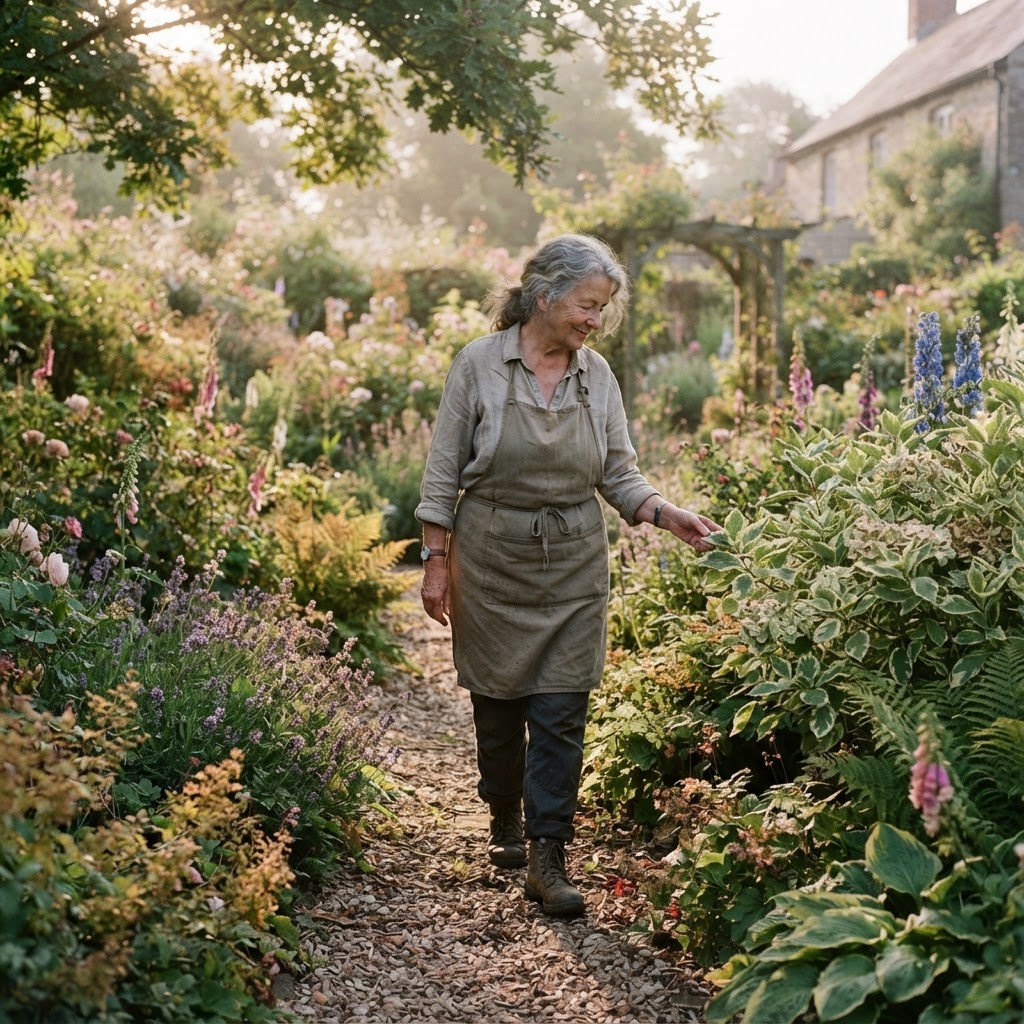
Watch an experienced gardener walk through their own patch and you'll notice something odd: they rarely seem to be looking very hard, and yet they clock things almost instantly. A leaf curling slightly at the edge. A patch of soil drying faster than the bed around it. A bud that's a day away from opening. Nothing about this looks like effort. It looks more like recognition — the way you'd spot a friend's face in a crowd without consciously scanning for it.
It's tempting to put this down to knowledge: they must simply know more plant names, more Latin, more technique than the rest of us. But that's not really what's happening. What they've actually built is a quieter, slower skill — the ability to notice, almost without trying, what a particular garden is doing on a particular day. That skill isn't knowledge about gardening in general. It's fluency in one specific, familiar place, and it's available to anyone who spends enough unhurried time paying attention.
It's not knowledge — it's fluency
There's a real and useful distinction between knowing about gardening and knowing your garden. The first is transferable — plant names, pruning techniques, when roses generally like to be cut back. The second is entirely local: the particular way your soil dries out after rain, the exact week your own hellebores tend to flower, which corner catches frost first on a clear night. No book can teach you the second kind, because it belongs to one specific patch of ground and the person who's spent enough time in it to have learned its habits.
This is worth being honest about, because it removes a barrier that stops a lot of people from feeling like "proper" gardeners. You don't need to become an expert in gardening generally to develop this. You need time in your own garden, paying attention, repeated often enough that the small signals stop needing conscious interpretation and simply start registering.
How fluency actually develops
This kind of noticing tends to arrive in a fairly predictable shape over time, even though it never announces itself as it's happening. In the first months, everything about the daily ritual takes conscious effort — you have to remind yourself to look, to check, to notice. Somewhere in the back half of the first year, the ritual starts happening simply because you're already outside, rather than because you decided it was time to garden. And somewhere in the second or third year, something quieter shifts again: subtle signals that used to pass you by entirely start to become legible on their own, and you find yourself anticipating what a plant needs rather than reacting once it's already told you loudly.
That's really the whole arc. You begin to know your garden — which is a genuinely different thing from knowing about gardening, and a far more useful one for the actual patch of ground in front of you.
You don't notice it arriving
One of the odder features of this fluency is that it rarely feels like progress while it's happening. There's no single day where you suddenly become someone who reads a garden well. It builds in such small increments — one slightly-earlier-than-usual bud noticed here, one dry patch caught a day sooner there — that you're often well into it before you realise anything's changed at all. Most people only notice the shift in hindsight: a moment where they catch themselves anticipating a problem before it's visible, and realise that a year ago, they simply wouldn't have seen it coming.
Observation before intervention
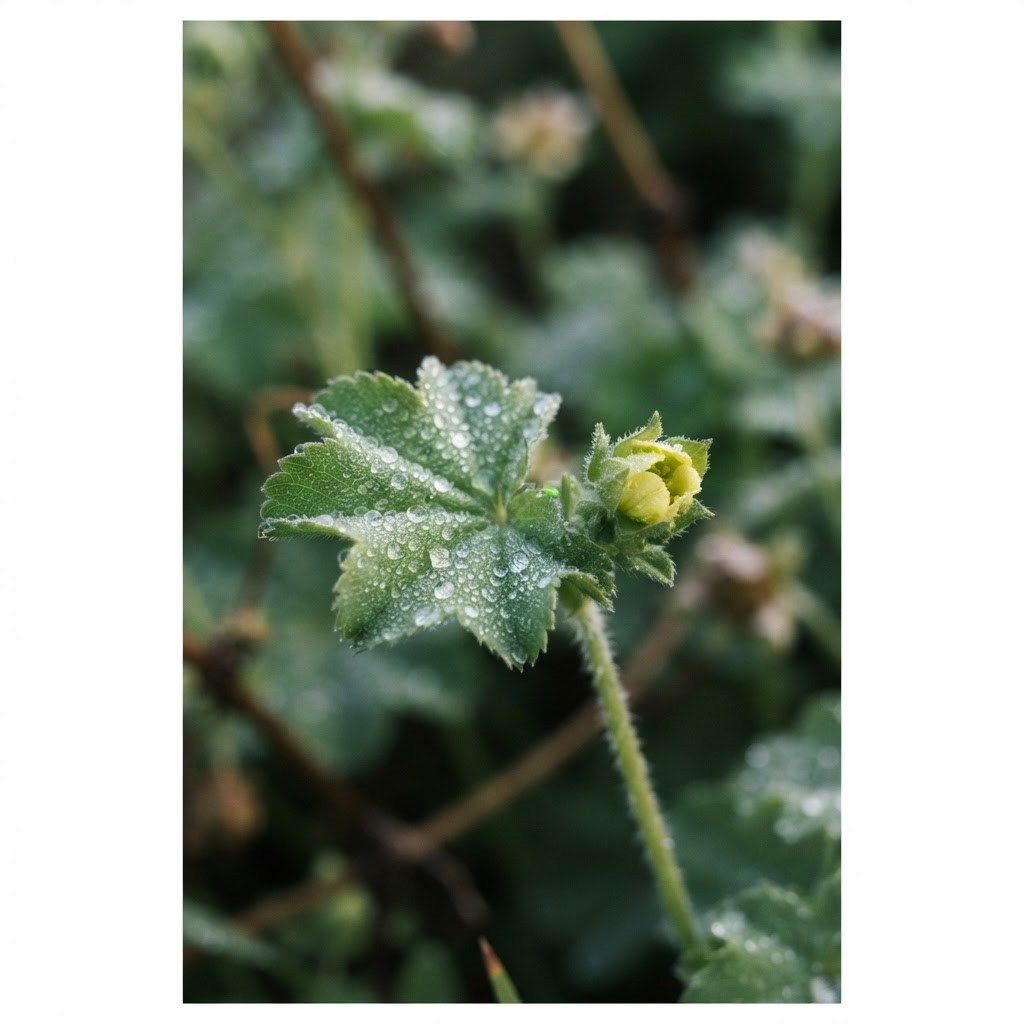
There's a deeper principle sitting underneath all of this, and it's worth naming directly: a garden has its own character, timing, and intelligence, and the gardener's real task is to read and cooperate with that, not to impose a plan on top of it. Your garden knows things you don't. Your job was never to teach it. It's to pay attention.
That reframe changes the order most people instinctively work in. The usual instinct is to arrive with a plan — today I will prune, water, plant, tidy — and then execute it regardless of what the garden is actually doing. Observation-first gardening reverses that order. You look first, without deciding anything, and let what you notice tell you what's actually needed, rather than fitting the garden to a schedule you brought with you. Fighting a garden's own conditions and timing tends to be exhausting and largely pointless. Reading them first is both easier and, over time, considerably more effective.
How to practise noticing on purpose
Fluency isn't something you can rush, but you can deliberately practise the habit that builds it. Choose one plant — a rose, a shrub, a single container — and commit to actually looking at it, properly, every time you're in the garden for the next few weeks. Not assessing whether it needs anything. Just looking: what's different about it today compared with yesterday. Most days the answer will be "barely anything," and that's fine. The practice is in the looking, not in finding something every time.
It also helps to resist the urge to act on everything you notice the moment you notice it. Seeing something worth watching — a leaf that looks slightly off, a bud that's slower than its neighbours — doesn't always require an immediate response. Sometimes the more useful move is simply to keep watching for another day or two, and let the plant tell you whether it was actually a problem or just part of its ordinary rhythm. That patience is itself part of the skill.
This week: adopt one plant to watch
Pick a single plant somewhere in your garden and make a small, private commitment: every time you're outside this week, spend thirty seconds actually looking at it before you do anything else. Notice what's the same and what's different. Don't act on it, don't research it, don't fix anything unless something is genuinely urgent. Just watch.
By the end of the week, you'll likely know that one plant considerably better than you did on day one. That's the whole skill, in miniature — and it's exactly how the rest of your fluency, with the whole garden, gets built too.
If you'd like to understand where this kind of fluency eventually leads, our Fluency Arc guide walks through what typically shifts across the first few years of a daily practice — so you know roughly what to expect, and when.