The Garden You Want Starts With the Garden You Already Have
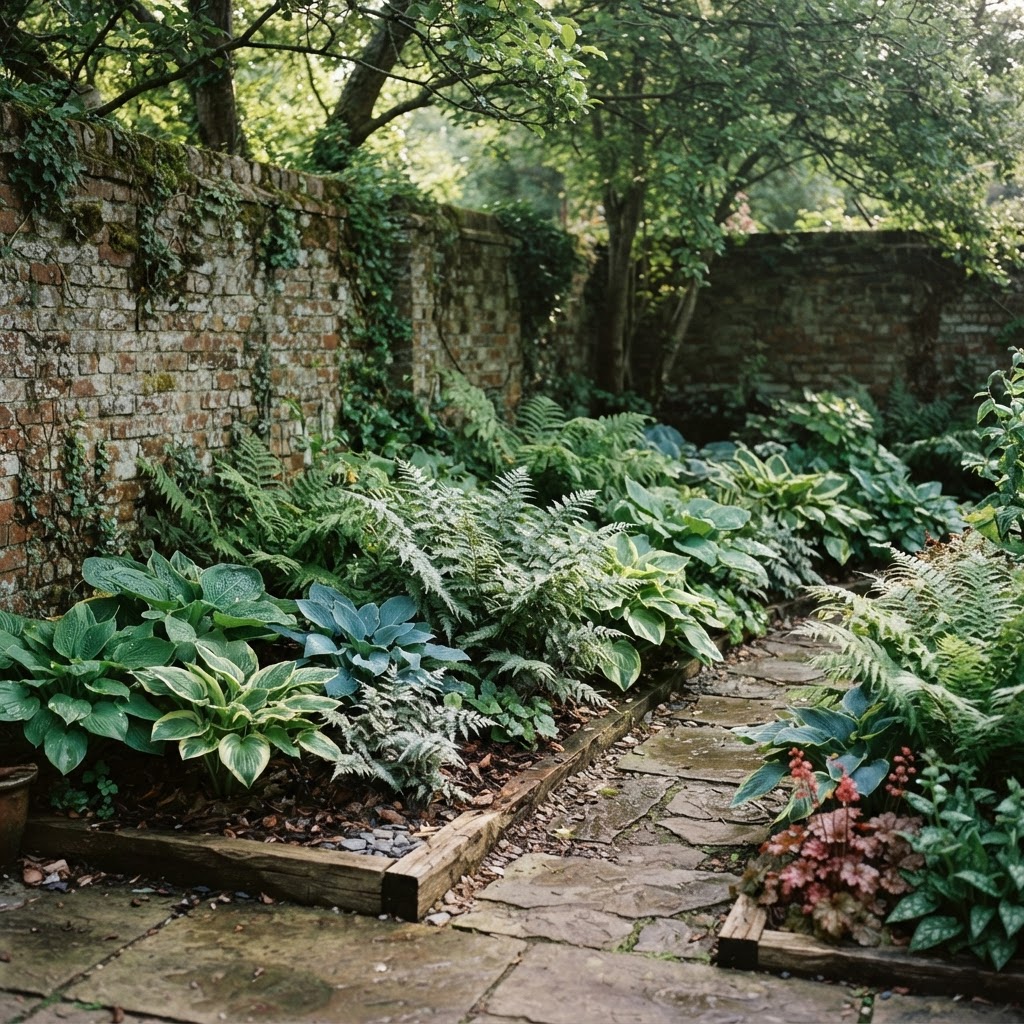
You had a picture in your head before you ever picked up a trowel. Roses along that shady side wall, because you'd seen them somewhere looking glorious against brick. A neat, sun-loving border in the one corner that barely sees direct light past ten in the morning. A vision, formed somewhere else, that you've been quietly trying to graft onto a plot of ground that was never quite built for it.
And so you've spent longer than you'd like to admit fighting a low-level battle — coaxing sun-lovers through a shady patch, fighting heavy clay to grow something that wants to drain freely, wondering why your garden never quite settles into the picture you brought to it. The garden isn't failing you here. It's been trying to tell you something the whole time. You just haven't been listening.
The garden you pictured vs. the garden you have
There's nothing wrong with arriving at gardening with a picture in mind — a colour scheme, a style, a border you saw somewhere and fell for. The trouble starts when that picture gets treated as the plan, fixed and non-negotiable, regardless of what your actual patch of ground is offering. Sun, shade, soil type, drainage, the particular way wind moves through your specific plot: none of that was consulted when the picture first formed in your head, and none of it is going to change to accommodate it now.
Gardening against those realities is exhausting in a very particular way — not the good, satisfying tiredness of a productive session, but the grinding kind that comes from repeatedly trying to make something happen that the conditions were never going to allow. Plants sulk, or struggle, or simply die, and it's easy to read that as your own failure rather than what it usually is: a mismatch between the garden you imagined and the garden that's actually in front of you.
Your garden already knows what it wants
Every garden has its own character — its own light, its own soil, its own quirks that no amount of determination will fully override. The gardener's real task isn't to impose a vision onto that character. It's to listen to it, and work with what it's already offering. Your garden knows things you don't. Your job was never to teach it. It's to pay attention.
There's a useful image worth borrowing here: a gardener who let an apple tree take the shape it wanted to grow into, rather than pruning it into the neat lollipop form she'd originally pictured, and planted her roses where the light actually suited roses rather than where the original plan had placed them. In both cases, letting go of the imposed vision didn't make the garden less beautiful. It made it considerably more so — because the plants were finally being asked to do what they were actually built to do, in conditions that actually supported them.
What listening actually looks like
Listening to a garden isn't mystical, and it doesn't require any special sensitivity. It means watching where the sun genuinely falls through the day, rather than where you assumed it would. It means noticing which spots stay damp long after rain and which dry out fast. It means paying attention to what's already thriving without much help from you at all, because that's usually the clearest signal of what your particular conditions are suited to growing. The garden has been answering these questions the entire time. Most of us have simply been too busy imposing our own answer to notice.
Working with what's real
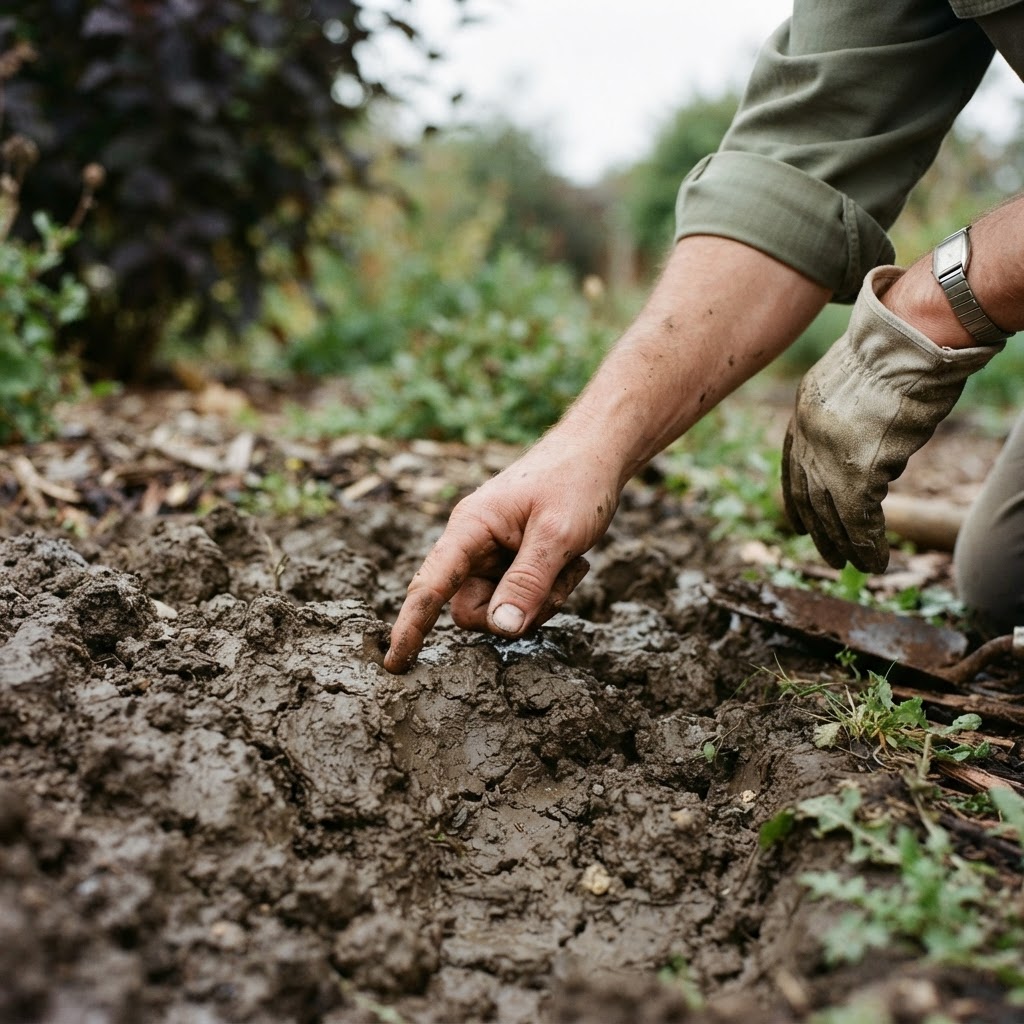
Before deciding what you'd like to change or improve, it's worth spending a little time simply mapping what's actually there. Walk the garden across a full day if you can, and notice where the light lands in the morning, at midday, and by early evening — most gardens have far more variation in this than people expect. Dig a small trial hole and feel the soil: does it hold water, or does it drain quickly through your fingers? Look at whatever's already established and growing well without much intervention from you, because that's often the single best clue to what your conditions genuinely favour.
None of this is about lowering your ambitions. It's about redirecting them somewhere they'll actually succeed — choosing roses for the sunny spot they'll thrive in, rather than the shady one where they'll only ever limp along, and finding something that genuinely loves shade for the wall you originally imagined roses against.
Acceptance isn't settling
It's worth naming the fear underneath all of this directly, because it's a real one: that accepting your garden's actual conditions means giving up on the beautiful space you wanted, settling for whatever happens to grow easily rather than what you'd truly love. In practice, the opposite tends to be true. A garden built in cooperation with its own conditions almost always ends up more beautiful than one built in opposition to them, because the plants in it are healthy, established, and genuinely suited to where they've been placed, rather than surviving on borrowed time in the wrong spot.
The garden you want was never going to come from forcing your original picture onto ground that couldn't support it. It comes from starting with the garden you actually have — its light, its soil, its particular character — and building something beautiful from there, rather than in spite of it.
This week: read one condition honestly
Choose one part of your garden that's been struggling, and spend ten minutes simply observing its actual conditions rather than what you'd assumed about them — the real light, the real soil, what's already growing nearby without a fight. Let that honest observation, rather than your original picture, guide what you try there next.
If you'd like a simple way to map what your garden is actually offering, our Read Your Garden conditions checklist walks through light, soil, and drainage in about ten minutes.