The Garden Teaches Patience Whether You're Ready or Not: What Changes After a Year of Showing Up
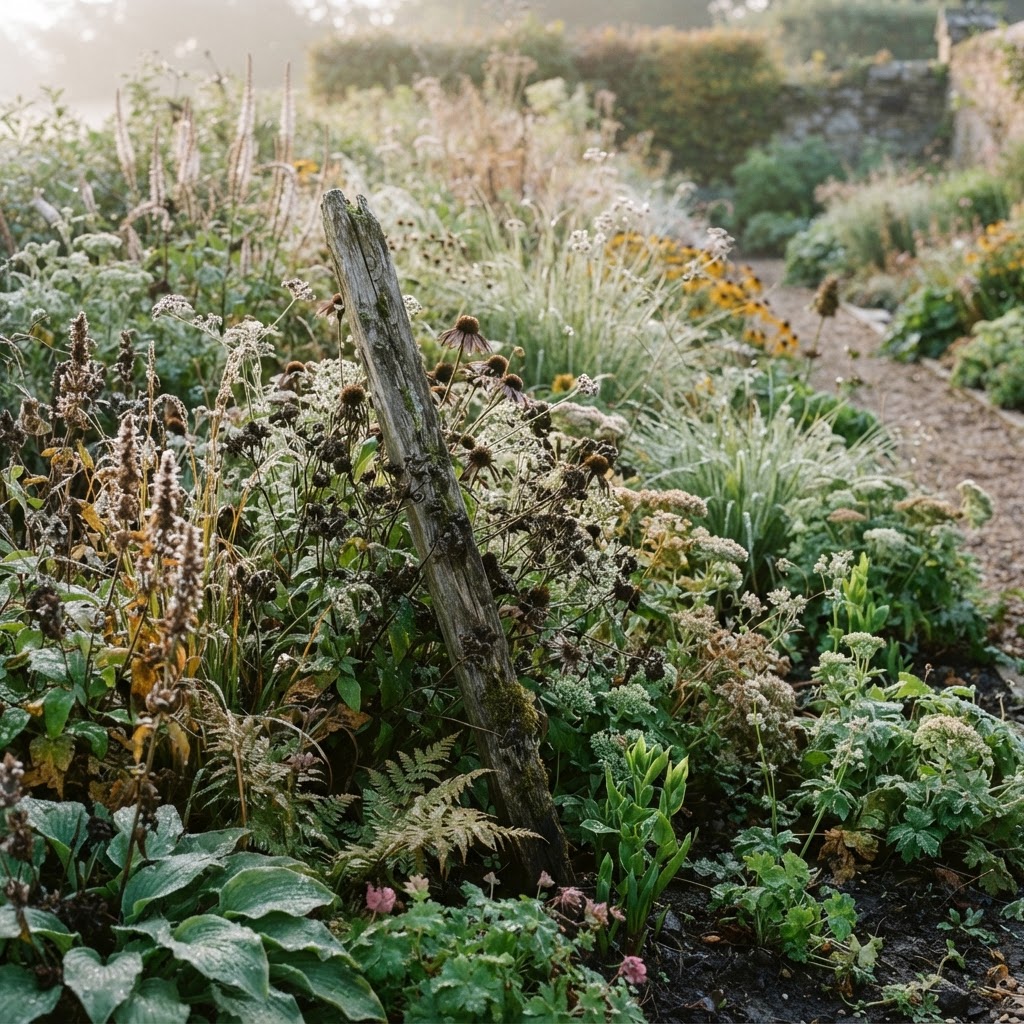
There's a particular kind of surprise that catches up with a lot of gardeners, usually somewhere around the six-month or one-year mark, and it rarely has anything to do with the garden itself. It shows up somewhere else entirely: in a difficult conversation that went better than expected, in a work problem that didn't spiral the way it usually would, in a general sense of being harder to rattle than you used to be.
Most people don't set out to change themselves by tending a border for ten minutes a day. They set out because they wanted somewhere pleasant to sit, or because the weeds had got out of hand, or because a friend recommended it. The personal shift tends to arrive quietly, almost sideways, without anyone having asked for it directly.
The Garden Operates on a Different Timescale
Here's a fair, honest way to describe what actually seems to happen. It isn't magic, and it isn't really about gardening technique at all. It's about spending regular time alongside something that simply doesn't operate on the same timescale as the rest of a busy life.
Most of what fills a typical day moves fast and demands an immediate response. Emails want answering now. Messages want replying to now. Decisions feel urgent even when, examined honestly, they rarely are. A garden asks for none of that. A rose doesn't rush its blooming because you're impatient for it. A seed doesn't germinate faster because you've checked on it twice a day. Everything in a garden happens at its own pace, entirely indifferent to how urgently you might want it to move faster.
Spending ten minutes a day, consistently, inside that different pace seems to do something to a person over time, teaching a kind of patience that's very hard to build any other way, simply because so little else in modern life offers the same lesson so reliably.
Where the Change Shows Up First
For many people, the first place this shift becomes noticeable isn't in the garden at all. It's in a difficult conversation, one that goes better than it might have done before, not because of any different preparation or more careful thinking beforehand, but because something in the person having it has become less reactive. Less urgent. More able to sit with a difficult moment without being immediately swept up and consumed by it.
The garden, without asking permission or announcing what it's doing, tends to teach that most things don't actually require an immediate response. That some problems resolve themselves simply by being shown up for consistently, rather than attacked intensively. That waiting and watching isn't the same thing as giving up, however much urgency culture insists otherwise.
The shift often shows up next in how a person approaches problems more generally, particularly at work. Something changes in the relationship with effort itself: less interest in the grand, dramatic gesture, and more genuine interest in the small daily increment. Less fixation on a single outcome, and more willingness to simply trust an ongoing process, the way you'd trust a border to come good over a season rather than demanding it look finished by next Tuesday.
How the Relationship Deepens Over Time
This change doesn't arrive all at once, and it's worth understanding roughly how it tends to unfold, because knowing the shape of the journey makes the early, more effortful stretches considerably easier to sit with.
The First Months: Conscious Effort
In the early months of this practice, the work is largely conscious. You remind yourself to go outside. You think about what to do before doing it. The ritual is something you're actively building rather than something you simply inhabit, and the effort of building it tends to be the main thing you notice during this stretch. This is entirely normal, and it isn't a sign anything's going wrong.
The Second Half of the First Year: Beginning to Know Your Garden
Somewhere around the middle of the first year, something starts to shift. The ritual begins happening because you're already outside, rather than because you've consciously decided to go. You start to understand your particular garden's personality: which areas thrive on a bit of neglect, which plants respond most generously to daily attention, how your specific patch of ground differs from general seasonal advice written for somewhere else entirely. This is the real beginning of knowing your garden, rather than simply tending it.
Years Two and Three: Fluency
By the second and third years, the relationship tends to deepen into something closer to genuine fluency. Subtler signals become legible in a way they weren't before: the particular way light shifts in late summer, how a plant starts to look just before it actually needs something, the barely perceptible stirring of spring growth weeks before anything becomes visible to a less practised eye. You begin to know your garden, which is a genuinely different thing from simply knowing about gardening.
Why Small Progress Builds Something Sporadic Effort Can't
There's a reason this particular practice, small and daily rather than occasional and intense, seems to produce this kind of change so reliably, and it comes down to something fairly well understood about how people experience progress. Completing a small, meaningful thing, three deadheaded roses, one cleared corner, tends to produce genuine positive feeling in the moment. Repeated day after day, that small, reliable proof of progress builds something that occasional, more dramatic weekend effort simply doesn't, and can't, because the feeling of accomplishment in a marathon session gets diluted by exhaustion and the sense of still being behind.
The daily increment, small as it is, accumulates into something considerably larger than its individual parts would suggest, both in the garden and, it seems, in the person doing the tending.
What Carries Beyond the Gate
The clearest way to describe what happens is that patience, acceptance, and a gentler relationship with mistakes get cultivated in the garden, quietly and gradually, and then start travelling into the rest of life without much conscious effort required. What the garden teaches, it tends to teach slowly and through sheer repetition: patience, mostly, along with a working acceptance of things that were never within your control in the first place.
This transfer doesn't stay contained to the garden gate. It carries. A person who's spent a year learning that a border comes good in its own time, not on demand, tends to bring a little of that same patience into a stalled work project, or a friendship going through a rough patch, or a personal goal that's taking longer than they'd hoped. None of this is really about gardening technique. It's about what regular, attentive practice does to a person over time, regardless of what that practice happens to be.
I Can't Prove My Garden Caused This
It's worth being properly honest here, rather than overselling what a ten-minute daily habit can reasonably claim to do. Life isn't a controlled experiment. Anyone who notices this kind of shift is very likely doing several other things differently at the same time too: perhaps sleeping a little better, spending more time outdoors generally, carrying less accumulated guilt about the one thing they look at every morning through the kitchen window. It would be dishonest to claim the garden alone is solely responsible for every change a person notices in themselves over a year or two of this practice.
What can be said honestly is this: research into time spent in natural settings does show real, well-documented associations with improved mood, attention, and stress levels. The evidence is genuine, though it's worth being careful not to dress a feeling up as more than it is. This is a complementary practice, not a treatment or a cure for anything, and if you're dealing with persistent anxiety, low mood, or any other mental health concern, it's worth speaking to a qualified professional about that directly, alongside anything you build in the garden rather than instead of it.
What to Notice in Your Own Life
If you'd like to pay attention to whether this kind of shift is happening for you, it helps to look in fairly ordinary places rather than expecting anything dramatic. Notice how you respond the next time a minor frustration crops up, whether at work or at home. Notice whether you're quicker or slower than you used to be to feel that a small problem is actually a catastrophe. Notice whether you're more willing, generally, to trust that something taking longer than expected isn't automatically a sign of failure.
None of these shifts tend to announce themselves loudly. They're much more likely to be the kind of thing you only notice in retrospect, looking back after several months and realising, almost by accident, that something about how you move through difficulty has quietly changed.
It can also help to keep a simple weekly note alongside the daily ritual itself, nothing elaborate, just a line or two about what you noticed that week, both in the garden and in yourself. This isn't a performance record, and it isn't meant to measure anything. It's simply a gentle way of paying the same quality of attention to your own progress that the garden ritual teaches you to bring outside. Looking back over a few months of these small notes is often the clearest way to see a change that would otherwise have passed unnoticed day to day.
Why This Matters More Than a Tidier Garden
It's worth saying plainly why this transferable change is, in a real sense, the more significant of the two things this practice offers. A tidier border is a genuinely nice thing to have. But the capacity to sit with a difficult moment without being immediately consumed by it, to trust that most problems resolve given consistent attention rather than panic, to measure progress in small daily increments rather than demanding instant results, these are qualities that matter far beyond whatever is or isn't currently flowering outside your kitchen window.
This is also why the practice can matter to someone who doesn't think of themselves as a gardener at all, and never particularly wants to become one. The garden, in this sense, is simply the vehicle. What it's teaching, patience, presence, an easier relationship with things that take time, is available to anyone willing to show up for ten quiet minutes, regardless of how they feel about plants specifically.
Frequently Asked Questions
How long does it typically take before I might notice this kind of change in myself?
Many people report noticing the first signs somewhere around six months to a year of consistent practice, though this varies considerably from person to person. It tends to arrive gradually rather than as a single obvious moment, which is part of why it's often easier to spot in hindsight than in the moment itself.
Is this scientifically proven, or is it more of a personal observation?
It's genuinely somewhere in between, and it's worth being honest about that. Research into natural environments does show real associations with improved mood and reduced stress, but it would overstate the evidence to claim gardening definitively causes personality change. What can be said honestly is that many people report this kind of shift, and there are credible, well-evidenced reasons why regular time in a garden might contribute to it.
Do I need to garden every single day without exception to experience this kind of change?
No. Consistency matters more than perfection here. A practice that includes the occasional missed day, returned to without self-punishment, tends to work just as well over the course of a year as one with a flawless, unbroken record. What matters is the overall pattern of regular return, not an unbroken streak.
Can this practice help with anxiety or a persistently low mood?
It can offer a genuine, complementary source of calm and small daily structure, but it isn't a treatment for anxiety, depression, or any other mental health condition, and it shouldn't be treated as a substitute for professional support. If you're experiencing persistent difficulties, it's worth speaking with a doctor or qualified professional, and this practice can sit comfortably alongside that support.
Will I notice this change even if I don't consider myself a particularly patient person to begin with?
Quite possibly, and in fact people who don't consider themselves naturally patient often notice the shift most clearly, precisely because the contrast with how they used to respond is more obvious to them. Patience cultivated through repeated practice doesn't require you to have started out patient in the first place.
What if I've been doing this for a year and haven't noticed any change in myself?
That's worth taking seriously as useful information rather than a personal failing. Some people experience the shift more in the garden itself than in other areas of life, and that's a perfectly legitimate outcome too. If you're hoping specifically for the transferable benefits, it can help to notice, deliberately, moments of patience or calm as they happen, rather than waiting for a dramatic realisation to arrive on its own.
Whatever changes for you, it will likely arrive quietly, the way most real change tends to, showing up first in an ordinary conversation or an ordinary Tuesday long before you think to credit the garden for it.
Your Garden Friend