The Garden Doesn't Want Perfection. It Wants Your Attention
You've got ten minutes, so you go outside with a mental list already running: deadhead the roses, pull those weeds by the path, check the pots haven't dried out. You move quickly from one task to the next, ticking each one off, and by the time you head back inside you've technically done everything on the list. And yet something about the whole thing felt more like admin than gardening. You were there, but you weren't really there.
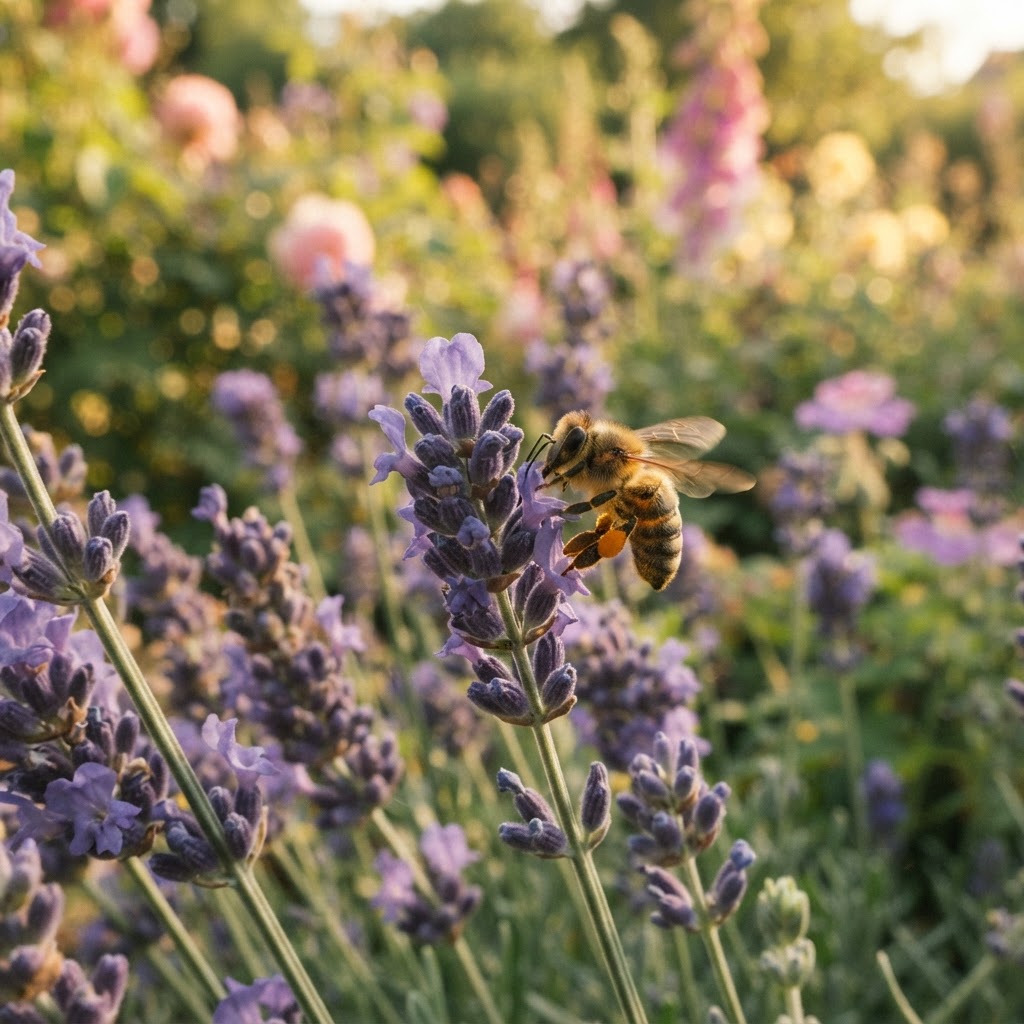
Compare that with a different kind of ten minutes: fewer tasks completed, perhaps, but a moment spent actually watching a bee work its way across the lavender, or noticing that a rose has opened since yesterday. The second version tends to leave people calmer, more satisfied, and — counterintuitively — more likely to come back tomorrow. The garden was never asking you to get through a list. It was asking you to notice it.
Productivity was never the point
It's an easy trap to fall into, because most of what we're taught about being good at anything involves getting through more of it, faster. Ten minutes starts to feel like a small window that needs filling efficiently — a mini to-do list rather than a different kind of time altogether. Judged by that standard, a visit where you only managed one small task, or none at all, can feel like it didn't really count.
But a garden isn't a task list with plants in it. It's a living space that responds to the quality of attention you bring, not the volume of jobs you get through. A session spent rushing between five half-finished tasks, mentally already back at your desk, tends to leave both the garden and the gardener a little worse off than a session spent doing one thing properly and actually noticing it.
What "attention" actually means here
A good ten minutes in the garden usually has a natural shape to it: you arrive and take a moment to actually be there, you do one thing rather than several, and then — this is the part that matters most — you stop and notice what changed. Deadhead a few roses, water a couple of dry containers, pull a handful of weeds from around the lavender. No grand project, no overwhelming list. Just a small amount of gentle, focused attention, followed by a pause to actually take in what you did.
That worked example is worth holding onto because of what it's built around: small acts, plus attention. The acts alone — the deadheading, the watering — are fairly ordinary maintenance. What turns them into something restorative is the attention wrapped around them: arriving properly instead of already halfway back to your phone, and finishing by noticing rather than immediately moving on to the next thing.
The part most people skip
If there's one step that gets dropped when a visit turns into a rushed checklist, it's the last one — actually stopping to notice what's different because you were there. It only takes a few seconds: stand back, look at what you just did, let it register. Skipping it isn't a small omission. It's the part that turns a chore into something you actually experience, and its absence is usually why a completed task list can still leave you feeling like you got nothing out of the visit at all.
Practical ways to notice instead of do
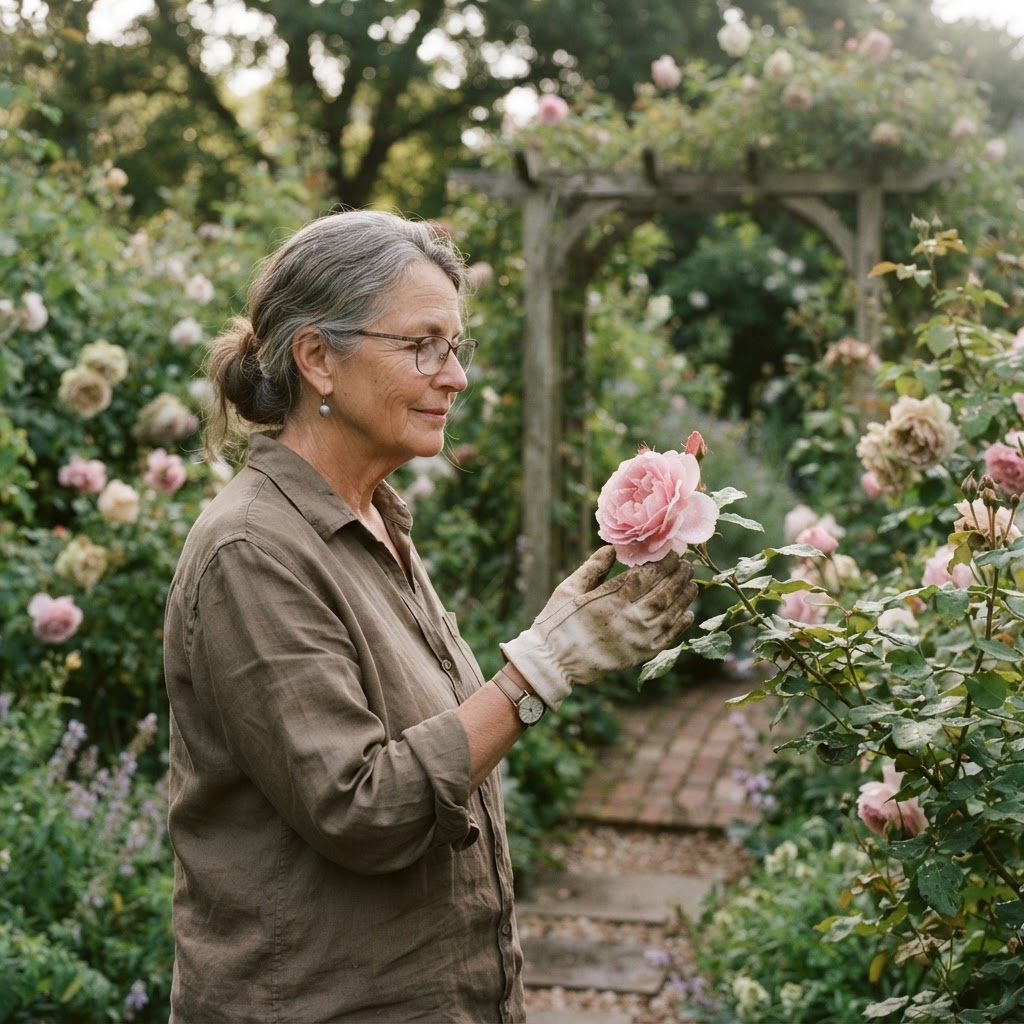
Noticing isn't vague or mystical — it's a specific, learnable habit, and it's often easier to build through small, concrete practices than through trying to "be more present" in the abstract. Standing still for thirty seconds before you pick up a single tool, simply looking at what's in front of you, changes the whole tone of a visit before it's even begun. Counting three things that are alive and doing well without your help — a bud that's opened, a bee on the lavender, new growth on something you haven't touched in weeks — gives your attention somewhere specific and small to land, rather than sweeping across the whole space at once.
There's a story worth borrowing here: a gardener found simply sitting with a cooling cup of tea, watching a thrush work the lawn, asked whether she was getting on with anything, replied simply: I am doing something. She wasn't wrong. Watching, properly, is not a gap between the real gardening. It's a legitimate part of it — arguably the part that makes the rest of it worth doing at all.
When sitting still is the whole visit
Some days, the most honest ten minutes you can give the garden is to bring a warm drink outside and simply sit with no task in mind at all. That's not a lesser version of gardening, and it isn't laziness dressed up in nicer language — it's tending the relationship rather than the to-do list, and it counts every bit as much as an afternoon of visible work. If that idea appeals to you, it's worth exploring properly as its own evening practice; for now, the point is simply this: attention, given freely and without an agenda, is never wasted on a garden.
This week: end one visit by simply looking
Next time you're in the garden, do whatever small task you'd planned — then, before you head back inside, stop for thirty seconds and actually look at what's around you. Notice one thing that's changed, however small. Let that be the last thing you do, rather than rushing straight on to whatever's next in your day.
That pause costs you nothing, and it's very often the difference between a garden that feels like a job and one that feels like somewhere you actually want to be. Try it for a week and see whether the garden starts to feel less like something you manage and more like somewhere you simply are, for ten quiet minutes, most days.
If you'd like a simple structure to bring to your next visit, our Shape of Ten Minutes card walks through arriving, choosing one task, and finishing by noticing — the whole rhythm in one printable guide.