The Best Gardeners Aren't More Motivated Than You
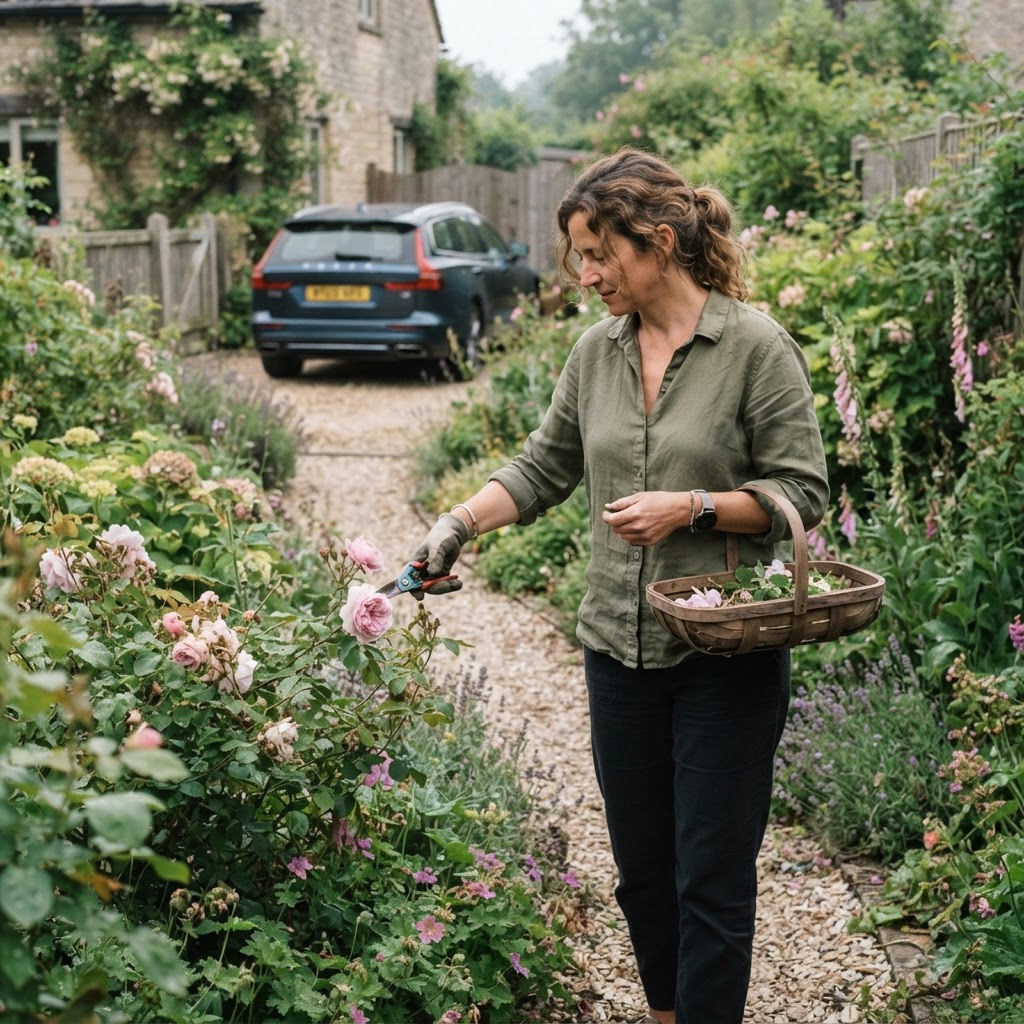
You know someone like this. A neighbour, a colleague, a friend whose garden always looks cared for, without ever seeming to be a source of stress for them. You've watched them deadhead a rose on their way to the car, water a pot without breaking conversation, mention some small garden task the way you'd mention brushing your teeth. And somewhere along the way you've decided they must simply have more of something you don't — more discipline, more love of gardening, more of whatever it is that makes a person actually stick with this sort of thing.
It's a reasonable enough conclusion. It's also almost certainly wrong. The gardeners whose plots genuinely thrive are rarely the most passionate or the most disciplined people around. They're the ones who, often without realising it, built a habit that doesn't require motivation to run — which is a completely different skill from the one you've been assuming you're missing.
The motivation myth
Most of us carry around a quiet theory about consistency: the people who manage it must simply want it more than we do. If they garden every day without fail, it's because gardening matters to them in a way it doesn't quite manage to matter to us. Following this logic, the fix is to somehow want it harder — to find more enthusiasm, more discipline, more of whatever ingredient we assume we're short on.
This theory has one significant problem: it isn't how consistent behaviour actually works. Motivation is not a fixed resource that some people have more of and others simply lack. It's a feeling, and feelings are unreliable — they come and go with sleep, weather, stress, and how your week has gone. Anyone whose garden ritual depends on feeling motivated will garden brilliantly on the days they feel like it and not at all on the days they don't, which for most people is most days. That's not a character flaw. It's just what happens when a habit is built on a feeling instead of a structure.
What actually separates them from you
The gardeners who show up daily without visible effort aren't running on a deeper well of motivation. They're running on habits that form through cue-triggered repetition rather than willpower — meaning the behaviour has been attached to something that already happens every day, so it no longer requires a decision at all. They don't wake up and decide whether they feel like gardening today, any more than you wake up and decide whether you feel like brushing your teeth. The action has stopped needing motivation because it's stopped being a choice.
The other piece of the puzzle is simpler than it sounds: the task itself is small enough to survive a bad day. Ten minutes is low enough in effort that it fits almost anywhere — before work, after the school run, while the kettle boils — in a way that an hour-long session never could. A big commitment needs real motivation to get started. A ten-minute one barely needs any at all, which is precisely why it's the version that survives.
Why ten minutes beats willpower
Willpower is expensive and finite; you spend it and it runs low. A task with genuinely low activation energy barely draws on it at all, because there's almost no resistance to overcome in the first place. That's the actual mechanism behind the gardener who never seems to struggle — not more discipline, but a task so small that discipline was never required to begin it.
Building a cue, not finding motivation
If the difference isn't motivation, the useful question changes from "how do I want this more" to "what would make this automatic." The most reliable answer is to attach the ritual to something your day already contains, rather than trying to carve out separate time and willpower for it. Not "I'll try to garden more this week," which is vague enough to be forgotten by Wednesday, but something concrete: after I pour my first coffee, I spend ten minutes in the garden.
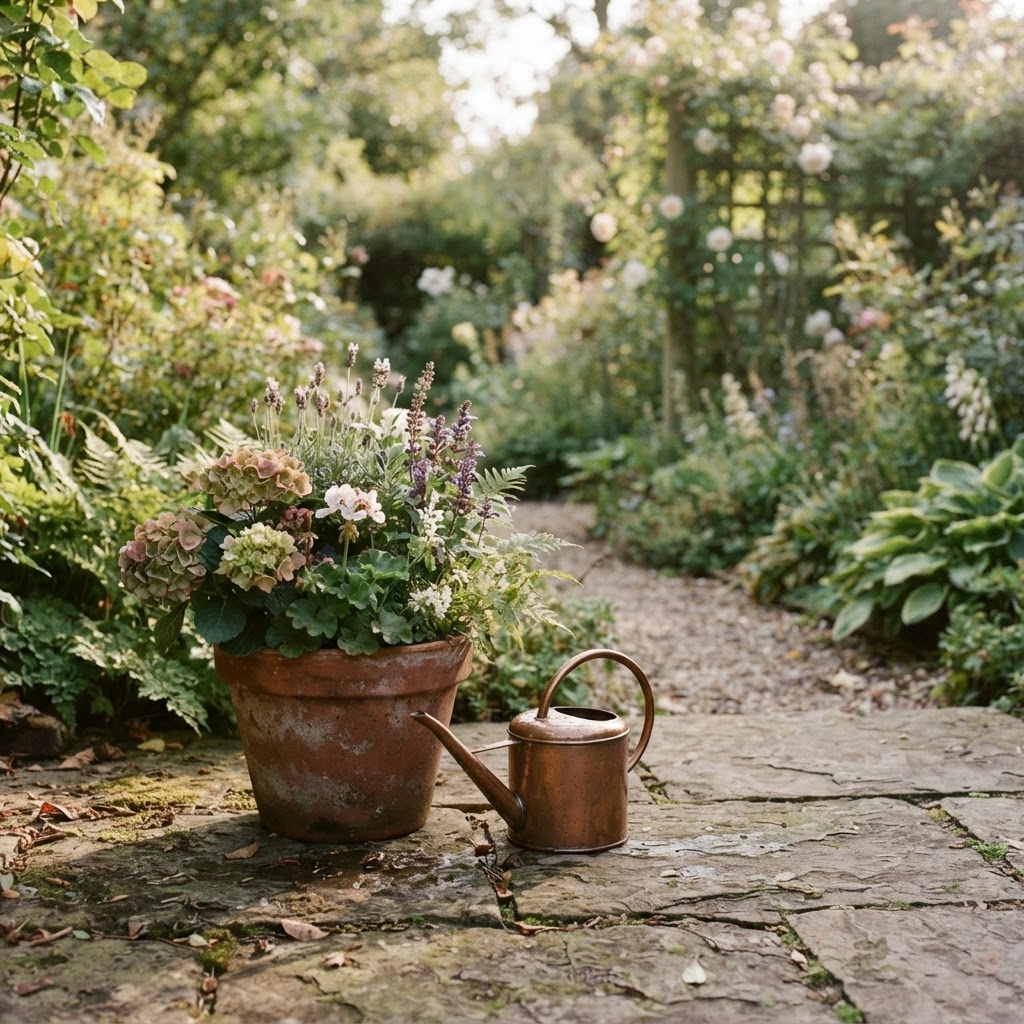
A cue like that works best when it's visible, not just written down somewhere and forgotten. Keeping a pair of secateurs by the coffee machine, so the tool is sitting right there the moment the trigger happens, does more work than any amount of good intention. The ritual stops being something you have to remember and becomes something that simply follows, the way reaching for milk follows pouring the kettle.
The effort you're feeling is normal
Here's something worth knowing if you're a few weeks into trying this and it still feels like an effort: that's completely expected, and it doesn't mean the habit isn't working. Research on habit formation puts the average time to build a lasting habit at somewhere around sixty-six days — meaning effort at week three is entirely normal, and ease genuinely does come later. Most people quit exactly at the point where the habit is still effortful but nearly formed, because they mistake the ongoing effort for evidence that it isn't sticking.
Knowing that number in advance changes what week three feels like. It stops being a sign you're not cut out for this and becomes simply the middle of a process that was always going to take a couple of months to settle. The gardener you've been comparing yourself to almost certainly went through the same stretch. They just kept the cue running long enough to get past it.
This week: build your own cue
Rather than waiting to feel more motivated, choose one thing your day already reliably contains — the coffee, the school run, letting the dog out — and pair it with ten minutes in the garden straight after. Write the pair down in one sentence: after I ___, I step outside for ten minutes. Then put something visible in your path to remind you — tools by the door, gloves on the windowsill, whatever makes the cue impossible to miss.
You won't need to feel like gardening for this to work. That's rather the point.
If you'd like help finding your own low-friction moment, our Cue Builder worksheet walks through choosing and writing your after-X-I-do-Y pairing in a few minutes.