Reading the Garden, Not the Calendar: A Different Way to Think About the Seasons
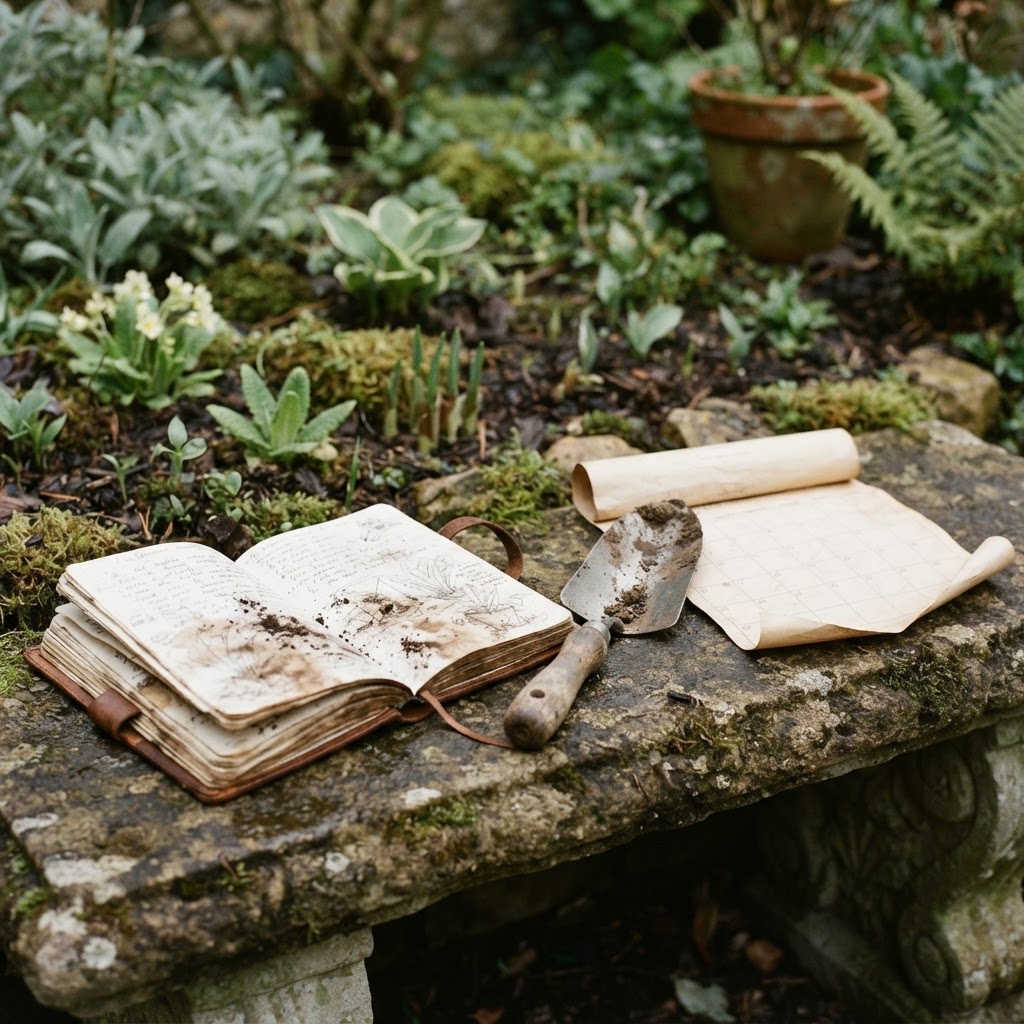
Most gardening advice hands you a calendar and asks you to follow it. Prune this in February. Plant that in October. Cut back the other thing before the first frost. It's tidy, it's confident, and it treats every garden as though it runs on the same clock.
Gardens don't work that way, and once you stop expecting them to, something genuinely useful opens up. Rather than asking "what does the calendar say I should be doing this week," you start asking a different, more interesting question: what is my garden actually telling me right now? Learning to answer that question is what this article is about.
What "Reading the Garden" Actually Means
Reading a garden isn't a mystical skill reserved for people who've spent decades with their hands in the soil. It simply means paying attention to physical signals rather than dates on a page: how the soil feels underfoot, what's emerging or dying back, how the quality of light has shifted, which plants are showing new growth and which have clearly finished for the year.
These signals are more reliable than any calendar, including this one, because they come directly from your specific garden, in your specific spot, in this specific year. A calendar can only ever offer an average, a rough guess based on somewhere else entirely. Your garden, by contrast, is telling you the truth about its own conditions in real time, if you're willing to look.
This shift changes the whole feel of gardening. Instead of gardening being something you do to the seasons, ticking off tasks against a schedule that's rushing ahead of you, it becomes something you do with them, moving at the pace the year is actually setting rather than the pace a book assumed.
The Four Energies of the Gardening Year
Rather than thinking in terms of a task list, it helps to think in terms of energy. Each season carries a distinct quality, both in the world outside and, if you pay attention, in yourself. Understanding these energies doesn't tell you exactly what to do. It tells you what kind of doing the season is actually asking for.
Spring: The Energy of Awakening
Spring starts before you can properly see it. The soil changes first, a slight give underfoot that wasn't there a fortnight earlier. Then the snowdrops arrive, always a little earlier than you expect, pushing through cold earth with the quiet confidence of something that has done this many times before. Blackbirds begin collecting nesting material, unhurried and purposeful. Daffodils put up their spears. The first bees emerge into cold air, slow and uncertain, searching out the hellebores.
Spring's energy is gentle encouragement, not acceleration, even though the urge to rush is strong and almost universal among gardeners at this time of year. Plants don't respond to being hurried along. They respond to genuine readiness. Soil worked before it's properly warm compacts and loses the very structure you're trying to improve. Seeds sown before the ground has reached the right temperature simply sit there, waiting, achieving nothing by having been planted early.
Summer: The Energy of Presence
Summer is a garden running at full capacity. Warm paving underfoot in the early evening. The scent of roses, strongest after dusk once the temperature drops a little and something in the air releases it. Bees working the lavender in a steady, purposeful hum. Tomatoes ripening faster than you can use them.
Summer asks for presence rather than intensity. Its sheer abundance can tip into overwhelm if you let it, the growth that needs guiding, the watering that can't be skipped, the harvest that won't wait its turn. The answer isn't to try to do everything. It's to do the right small things consistently. A daily ten minutes, deadheading, a watering check, a quick scan for early problems, keeps a summer garden near its best without ever consuming your whole day. Summer is also the season that teaches the value of simply being in the garden rather than constantly working it: the evening walk with nothing in your hands, the morning coffee on a bench while the light changes.
Autumn: The Energy of Gathering
Autumn asks for gathering rather than rushing. Seeds. The last of the harvest. Whatever the year brought, good and difficult alike. The garden already knows how to do this. Plants are drawing their resources inward, setting seed, preparing their roots for the cold ahead. Leaves turn from green to gold to copper to rust, catching low morning light in a way that summer's harsher glare never allowed. Seed heads stand tall and intricate, gathering frost on cold mornings and releasing it slowly as the day warms.
It's usually the gardener, not the garden, who resists this energy, seeing falling leaves as a problem and browning stems as failure and the whole season's slowdown as something to fight rather than something to participate in. The ten-minute autumn ritual is really a ritual of acknowledgement: gathering fallen leaves for composting, planting spring bulbs into soil that still holds some warmth, cutting back what's genuinely finished while leaving what still offers beauty or feeds the birds.
Winter: The Energy of Rest
Winter is the season most gardeners spend fighting guilt rather than simply resting alongside their garden. The borders are bare, the days are short, and it's easy to read all of that as loss or failure rather than what it actually is.
Step outside on a clear winter morning and look properly, though, and a different picture appears. The structural bones of the garden, hidden all summer behind growth, become suddenly visible: the shape an old tree holds against the sky, seed heads still standing in the borders, catching low light and feeding the birds. The stillness of a winter garden isn't the stillness of something empty. It's the stillness of something quietly gathering itself for what comes next.
The ten-minute winter ritual is quieter than the others. A check that tender plants are still protected. Feeding the birds. Planning by the fire with a notebook, deciding what the coming season might bring. These are small acts, but they keep the connection alive through the quiet months, which is what makes spring feel like a reunion rather than starting again from nothing.
How Each Season Changes Your Daily Ten Minutes
Understanding these four energies doesn't just change what tasks you do. It changes the feeling of doing them.
In spring, the daily ritual becomes about readiness and response. You're watching for signals: which areas are waking up, what needs a little support, where the soil finally feels ready to be worked. One careful thing at a time, rather than trying to get ahead of everything at once.
In summer, the ritual is about consistency and presence. Much the same small tasks most mornings, done with real attention, followed by a moment to simply be in the abundance before the rest of the day takes over.
In autumn, the ritual slows a little. The tasks themselves are gentler: gathering, planting, preparing. There's more room for simple observation. The garden is doing most of the work itself; your job is mainly to notice it and occasionally lend a hand.
In winter, the ritual becomes mostly about showing up at all. Five minutes outside, even on a properly cold morning, is enough. Feeding the birds. Noticing how the light has changed. Keeping the connection alive through the quiet months.
The Signals Worth Learning to Read
If you're new to reading a garden rather than a calendar, a handful of signals are worth learning to notice deliberately, since they tend to tell you more than any date ever could.
Soil texture is one of the most useful. Cold, heavy, unyielding soil is telling you it isn't ready to be worked, whatever the calendar suggests. Soil that gives slightly underfoot, that crumbles rather than clumps when you handle it, is telling you the opposite.
Emergence is another. New growth pushing through at the base of a plant, buds swelling on bare stems, seedlings appearing where you scattered seed weeks earlier, all of these are the garden announcing its own timing far more precisely than any generic guide could.
Light is worth watching too, particularly the angle and quality of it rather than simply how many hours of daylight there are. The low, golden light of autumn mornings looks and feels entirely different from the high, hard light of midsummer, and plants respond to that shift long before a human eye consciously notices it.
And simple plant behaviour, whether something is putting out fresh growth, holding steady, or visibly winding down for the year, is often the clearest signal of all. A plant still producing new leaves in what a calendar calls autumn isn't confused. It's telling you its own season hasn't finished yet.
Why No Two Gardens Share the Same Calendar
It's worth being honest that seasons are deeply local. A sheltered, south facing garden moves through spring at a different pace from an exposed, north facing one a few streets away. A garden near the coast often behaves quite differently from one further inland, even within the same region. None of this means one garden is doing better than another. It simply means each garden is responding to its own specific conditions, which is exactly what you'd expect from a living system rather than a fixed schedule.
This is precisely why observation tends to serve you better than any printed guide. A calendar can only ever offer a rough average across many different gardens. Your own garden can tell you, quite precisely, what's true for this patch of ground, this year, right now.
Learning Your Garden's Language Over Time
The good news is that this kind of reading becomes easier the longer you practise it. In the first season or two, you might find yourself checking the signals deliberately, almost like learning a new vocabulary. Over time, the noticing becomes more automatic. You start to recognise your garden's particular rhythms the way you might recognise a friend's mood from the tone of their voice, without having to think it through consciously.
This is, in a real sense, what it means to know a garden rather than simply knowing about gardening. It isn't a skill you acquire from a book, however detailed. It's something that builds gradually, morning by morning, through the accumulated attention of showing up and noticing.
How to Start Reading Your Own Garden's Signals
If you'd like to begin shifting away from calendar thinking, there's a simple, low pressure way in.
For the next week, rather than consulting a task list, spend a few minutes outside each day simply noticing what energy seems present right now. Which plants are showing clear activity? Which are resting? Which seem to be somewhere in between? Let those observations, rather than a date, be your first guide.
The following week, choose one task that genuinely feels aligned with what the garden appears to be asking for, rather than something a fixed schedule insists must happen. Notice the difference in how that feels compared with a task done purely out of obligation to a date.
Over the following month, keep tracking which approaches feel natural and which feel forced. Let the garden's own signals gradually take the lead over any calendar you've been carrying in your head. Trust that this kind of patient, repeated observation will teach you more about your particular garden than any guide, including this one, ever could.
Frequently Asked Questions
How do I know which season my garden is actually in, if not by the calendar?
Look at soil texture, plant emergence, and the quality of light rather than the date. Soil that gives slightly underfoot and plants showing genuine new growth are far more reliable indicators of a season's arrival than a fixed date on a page.
What if my garden seems to be in two seasons at once, with some plants still growing and others already dormant?
That's entirely normal. Different plants in the same garden often move through their own seasonal rhythms slightly out of step with one another. There's no need to force them into alignment. Simply respond to each plant's own signals as they appear.
Is it wasteful to leave seed heads and dead growth standing through winter instead of tidying it away?
Not at all. Standing seed heads provide food for birds, shelter for insects, and visual structure through the winter months. What looks like an unfinished tidying job by traditional standards is, from an ecological perspective, exactly the right amount of care.
How long does it take to get good at reading a garden's signals instead of relying on a calendar?
Most people notice a real shift within a single season of deliberate practice. It tends to build gradually rather than arriving all at once, the same way any kind of attentiveness deepens with repetition rather than instruction.
Should I abandon seasonal gardening guides altogether?
Not necessarily. They're useful as a loose orientation, a general sense of what kind of tasks tend to suit which part of the year. The key shift is treating them as background information rather than a fixed deadline, and always giving your own garden's actual signals the final say.
What do I do in a season that feels unusually long or short compared to what I expected?
Simply follow what's actually happening rather than what you expected. An unusually long summer, or a spring that arrives early, isn't a problem to correct. It's your garden's honest response to that particular year's conditions, and the right response is to meet it where it is.
Your garden has been speaking the whole time, in soil and light and quiet emergence, long before any calendar tried to speak for it. Learning to listen is simply a matter of showing up often enough to notice.
Your Garden Friend